×
Back to Website

1892

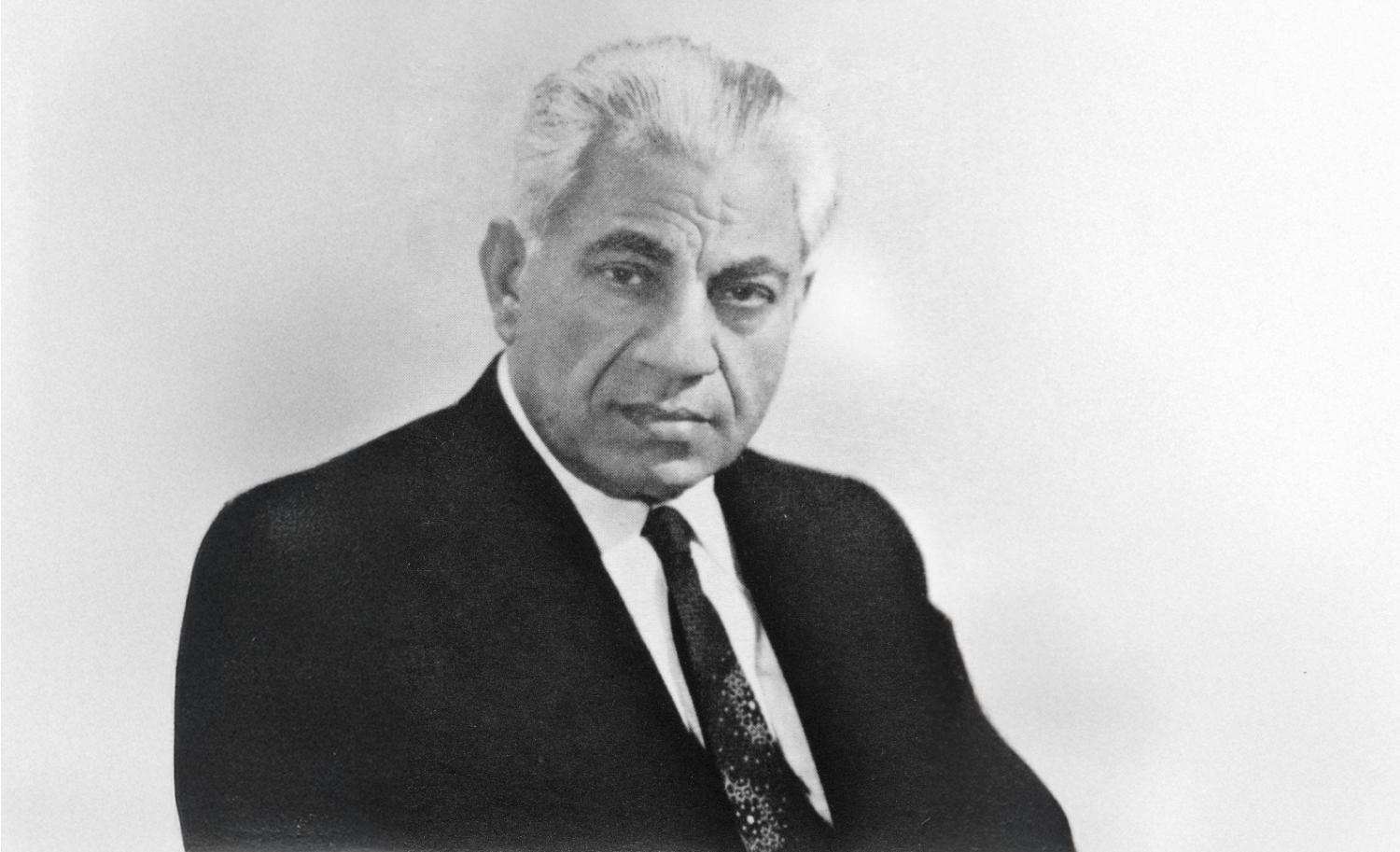
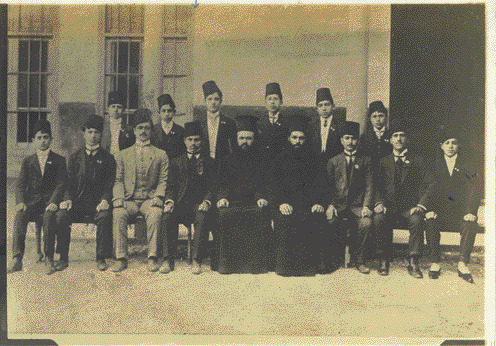
The founder of Rizk Hospital, Toufic Ibrahim Rizk was born in Jeb-Jannine, West Bekaa. He completed his early education at Collège Oriental Basilien de Zahle “Ash-Charkiya”, laying the foundation for a lifelong journey in medicine and public service.
1911

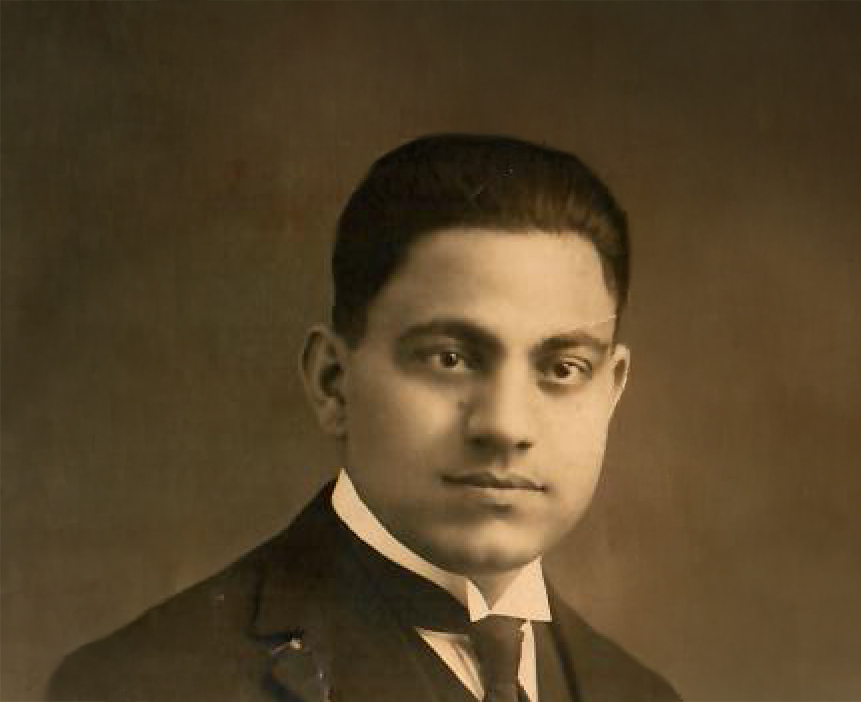
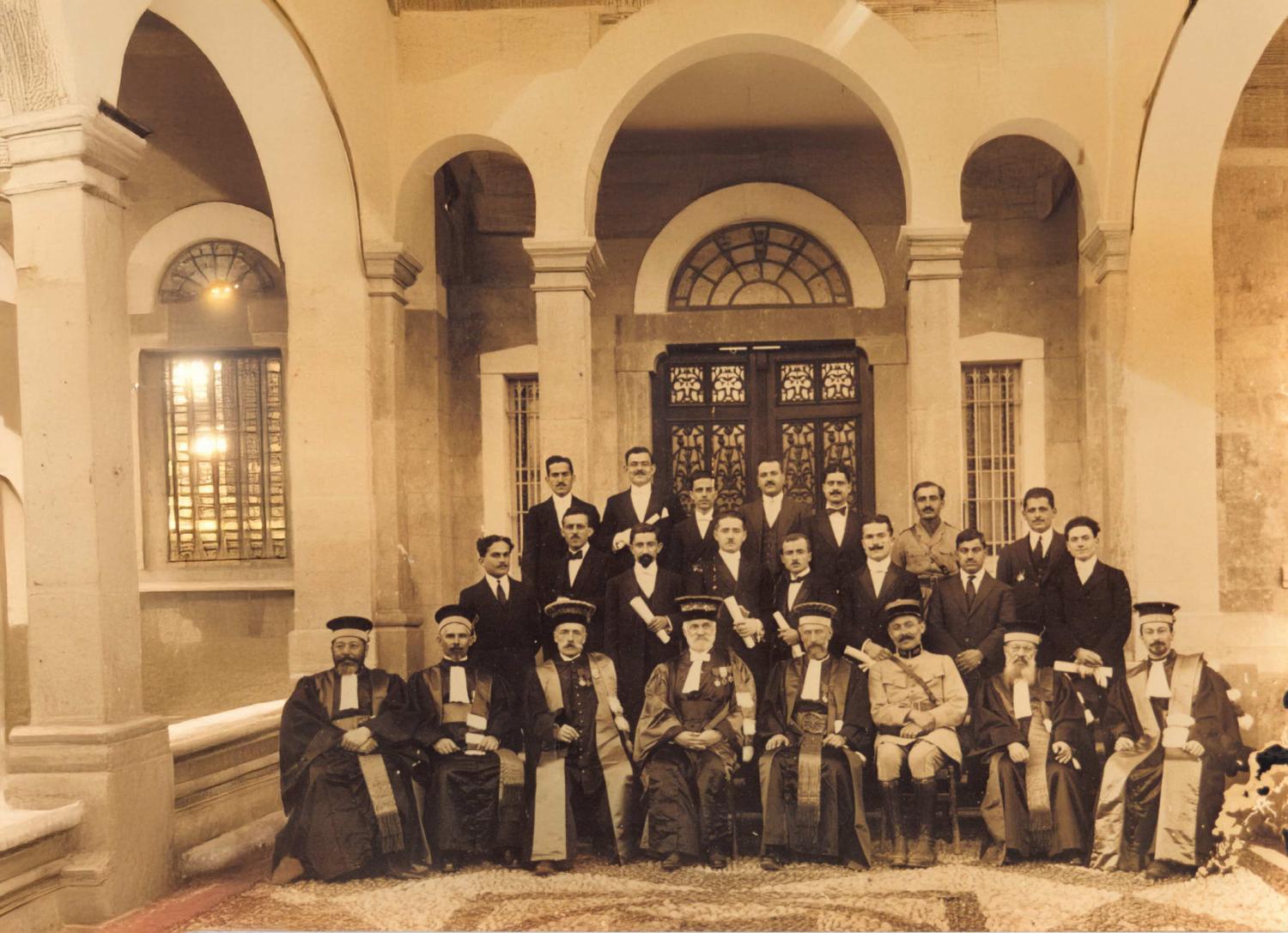
Dr. Toufic Rizk embarked on his medical studies at the Faculté Française de Médecine in Beirut, but his academic journey was interrupted by the outbreak of World War I.

1920

Following the end of the war, Dr. Toufic Rizk received the French State Diploma in Medicine. He then pursued five years of specialization in Paris, honing his skills in modern medical practices.

1925

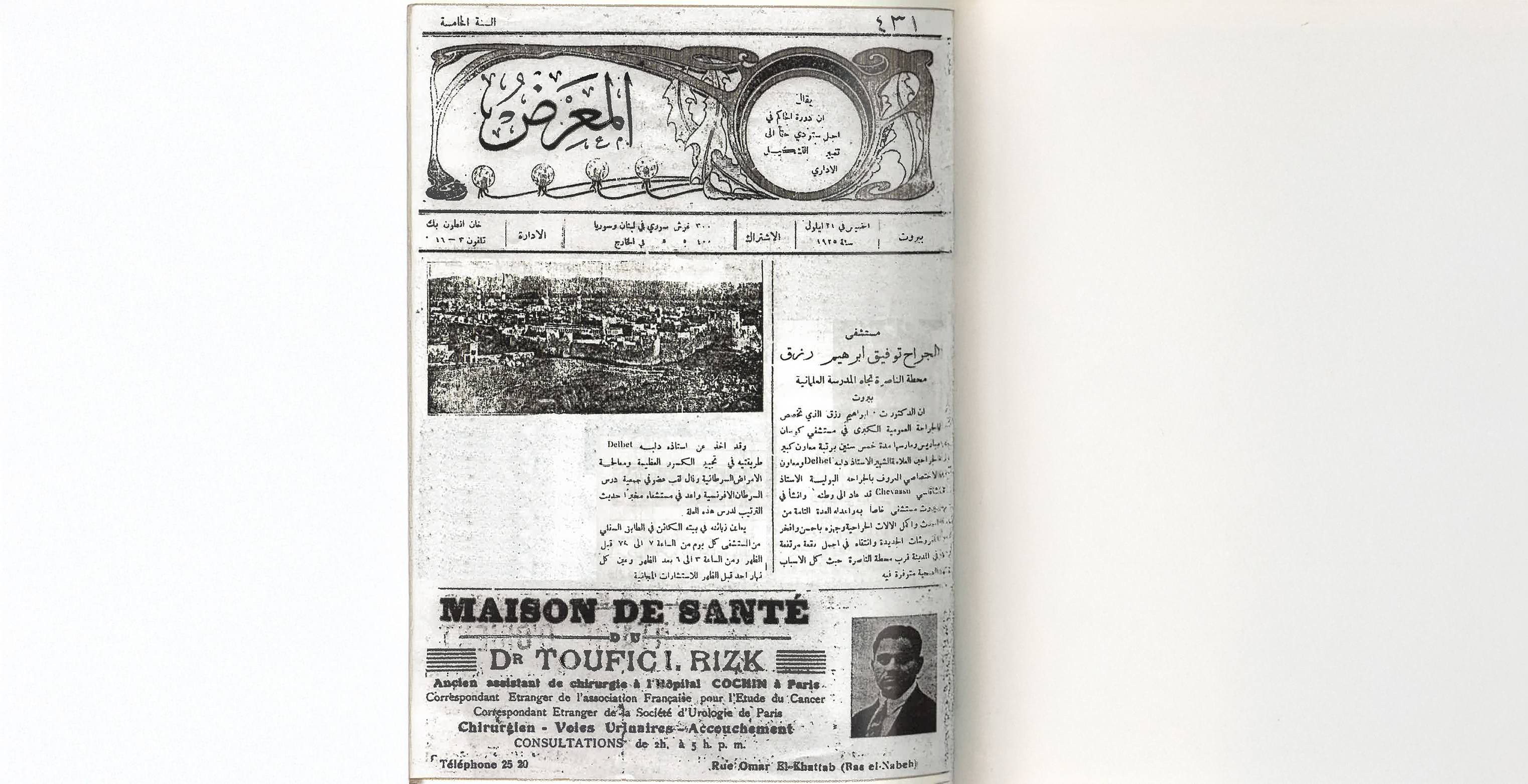
Dr. Rizk inaugurated a medical facility near the Nasra Tramway Station in Beirut’s Sodeco neighborhood. The facility had 12 beds, three nurses, and Dr. Rizk served as the sole physician. The hospital operated in the Moussa Hamawiye building.

1927

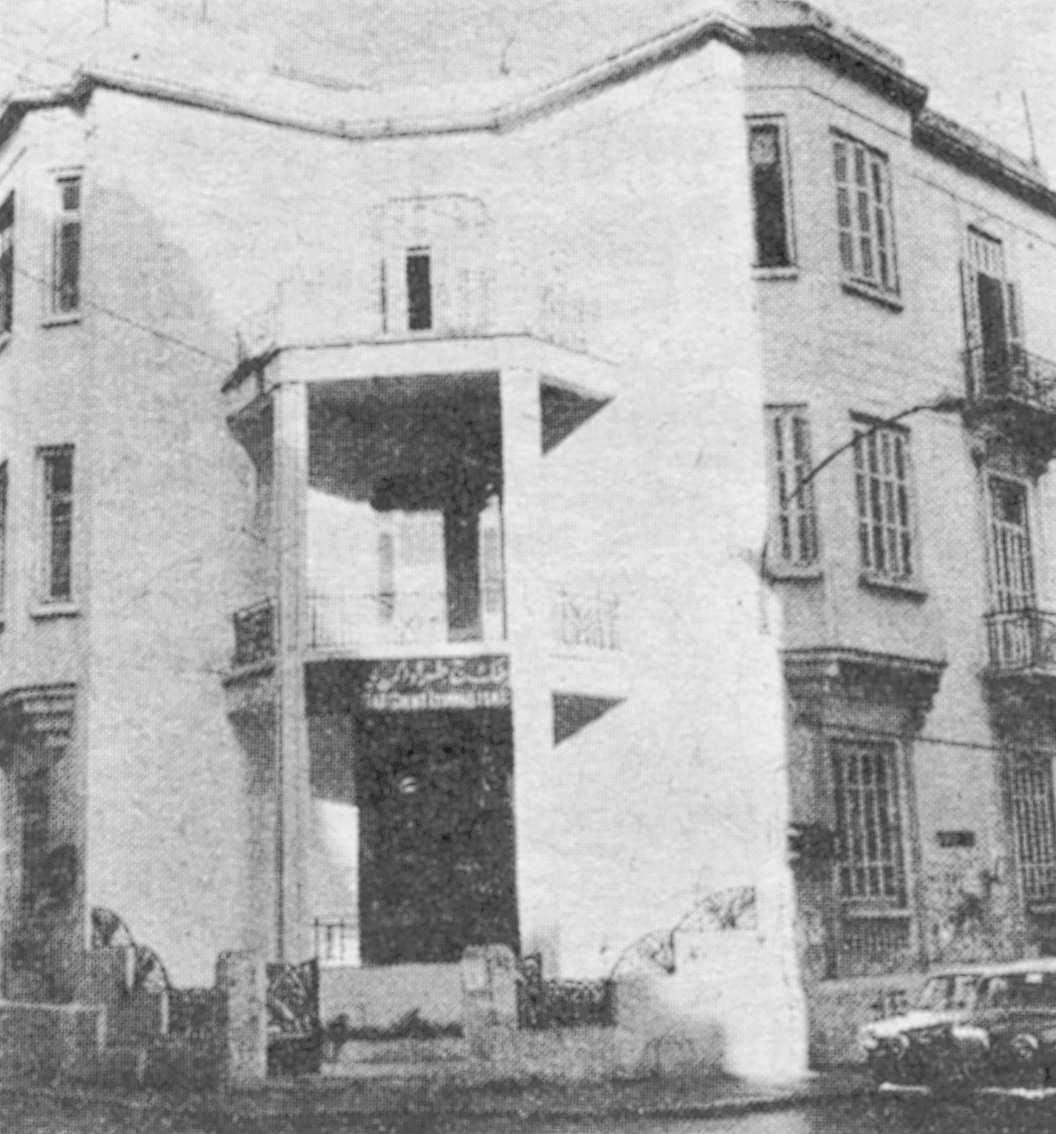
Responding to growing demand, Dr. Toufic Rizk moved the hospital to a larger facility on Omar Ibn Al Khattab Street in Ras El Nabeh, in the building of Ali Idriss, adjacent to Riad El Solh’s residence.
1930

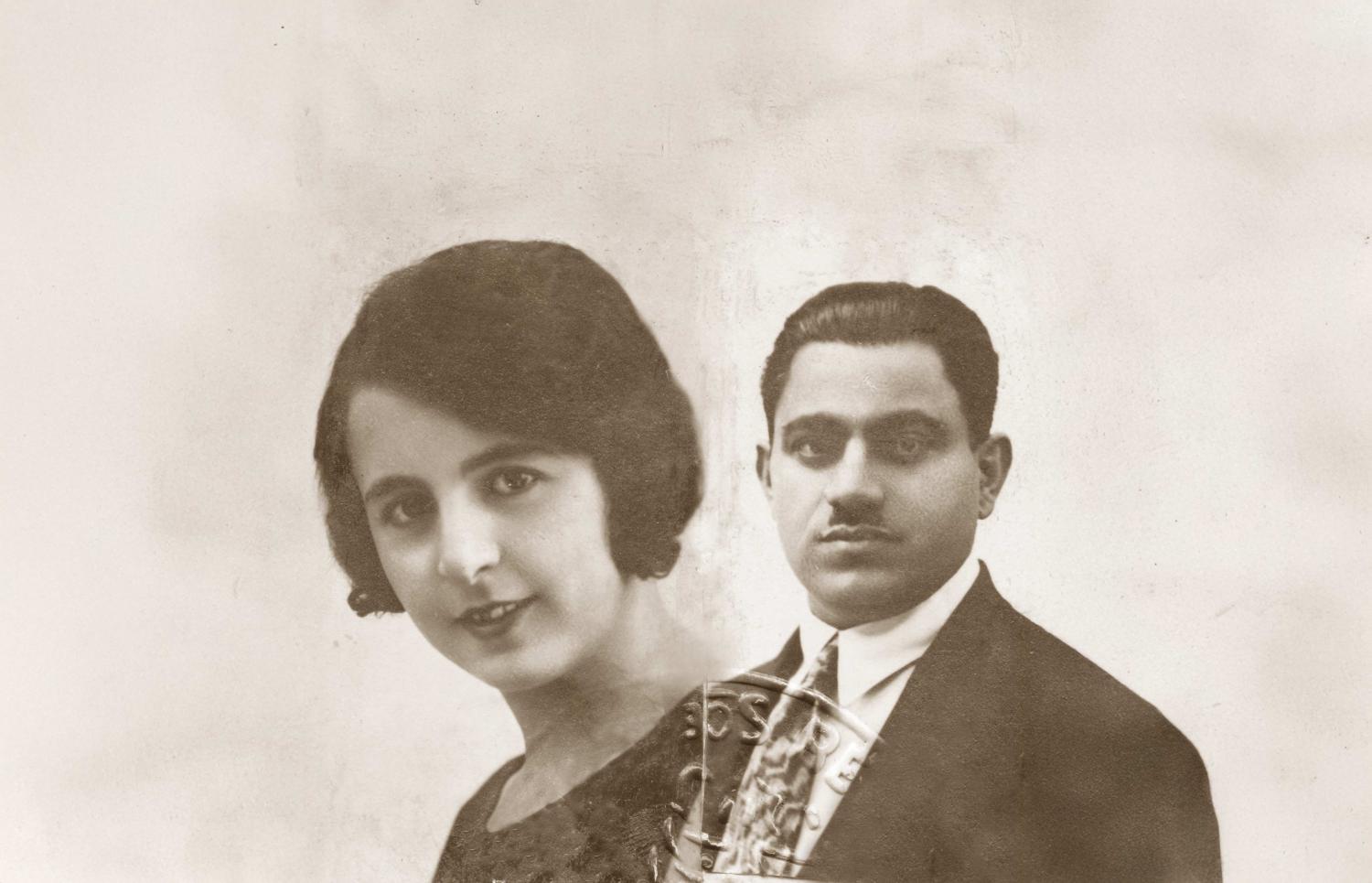
Dr. Rizk married Olga Assaad Toubia from Beit-Chabab. Together, they had four children: Dr. Assaad (urologist), Mona (nurse surgical technologist), Dr. Pierre (gynecologist) and Dr. Paul (pediatrician), who lived up to the family’s medical legacy.

1935

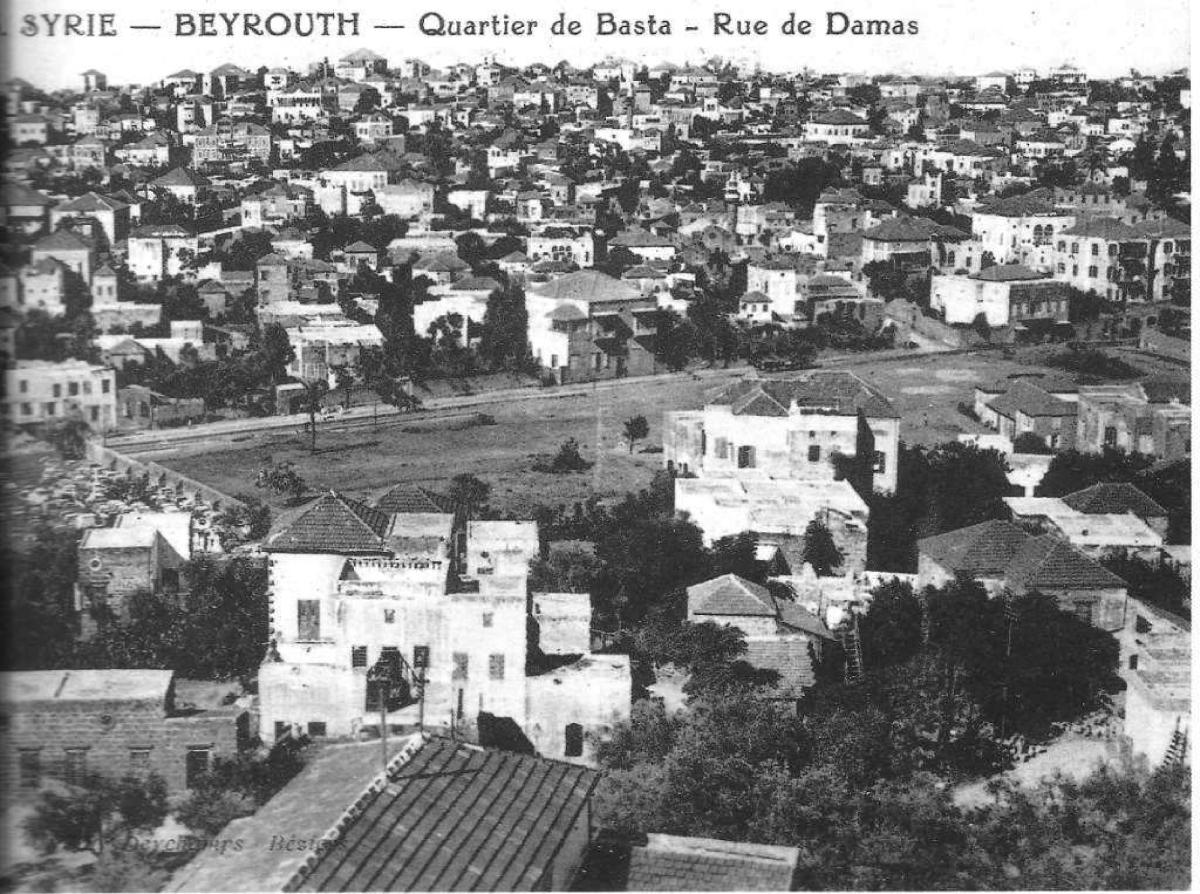
The hospital was relocated again, this time to Basta al Fawqa, in the building owned by Toufic Majdalani, as part of Dr. Rizk’s effort to expand capacity and improve patient care.
1947

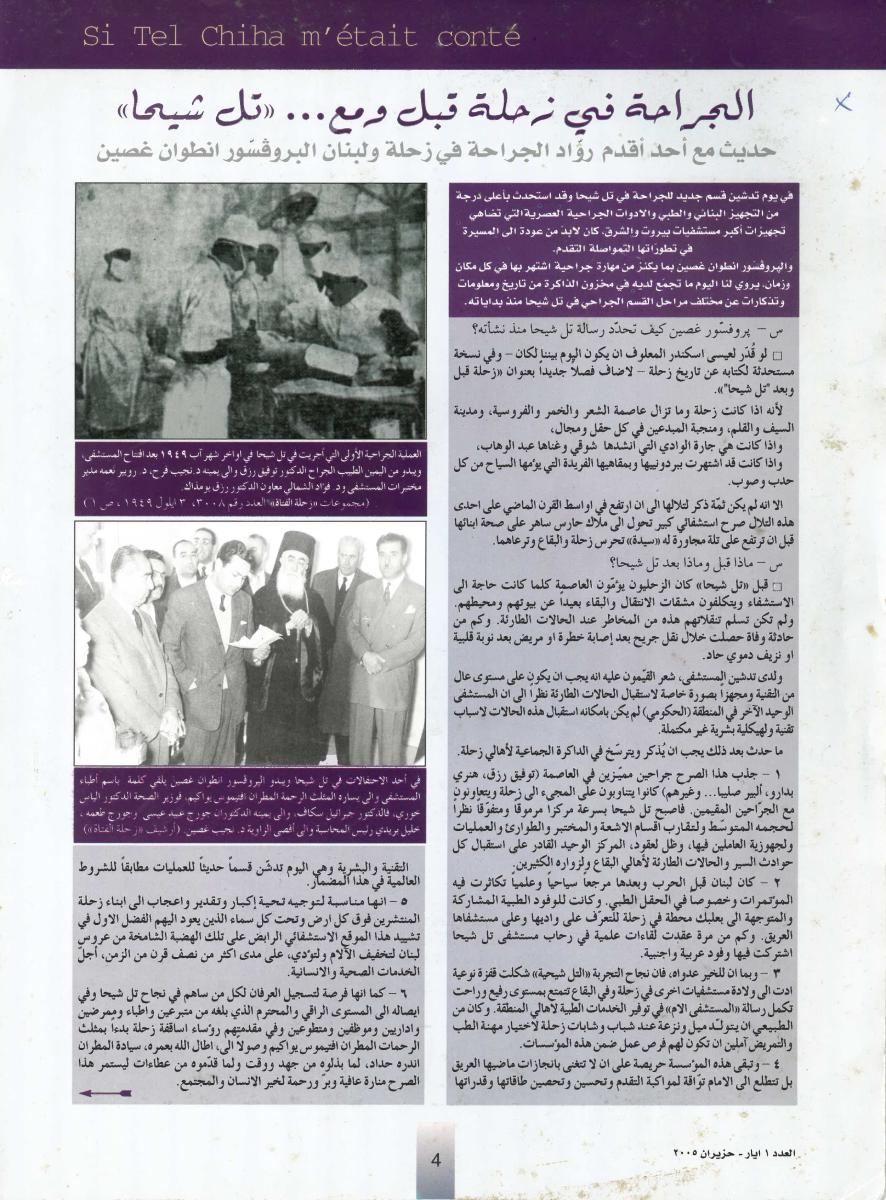
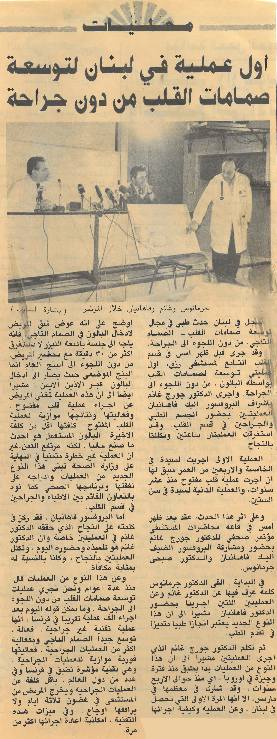
Dr. Toufic Rizk became a founding member of the Lebanese Order of Physicians, in line with his growing influence in Lebanon’s medical and institutional development. The first surgery in Tel-Chiha Hospital was done by Dr. Rizk.
1953

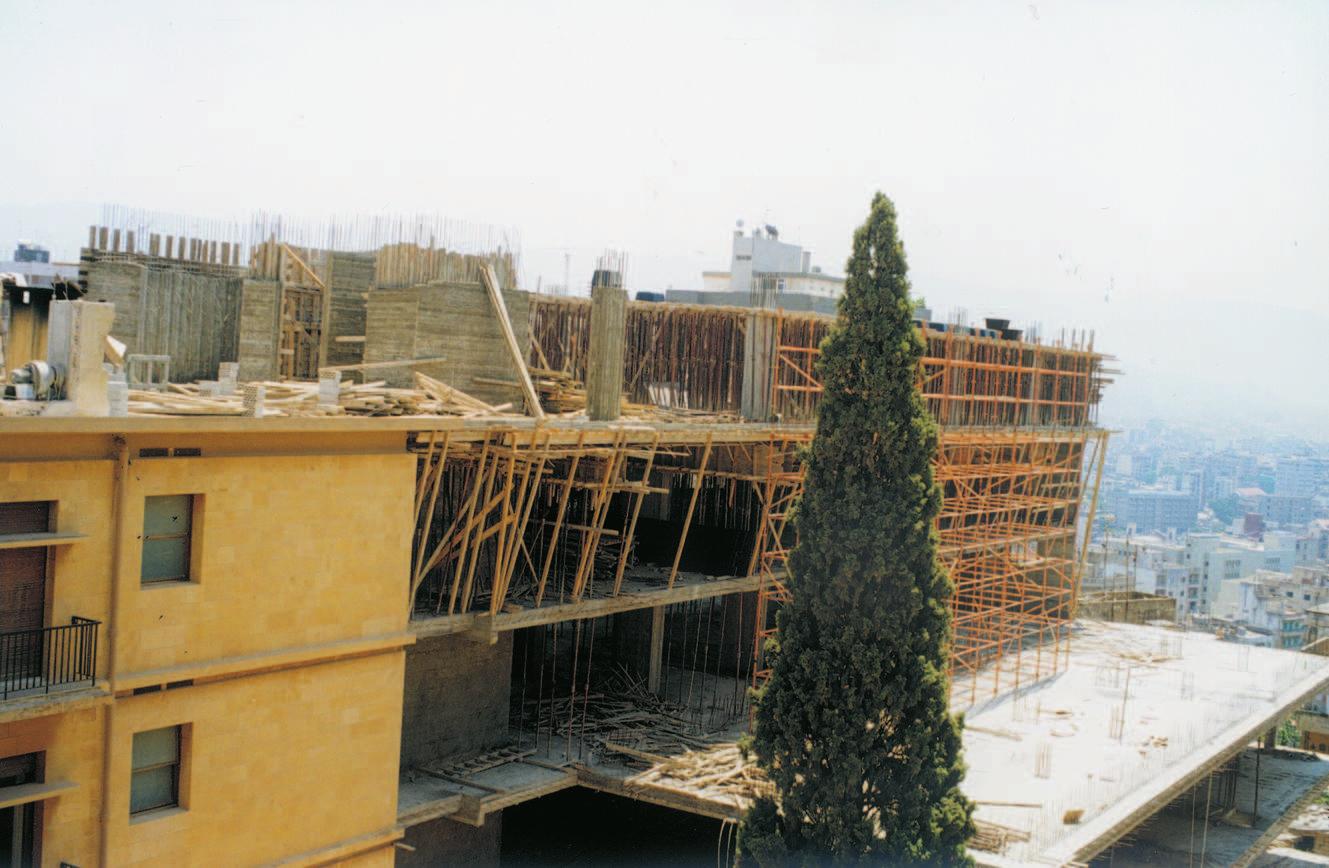
On November 1953, the Hospital’s cornerstone was laid with the moral and financial support of Dr. Toufic Rizk’s brother, Abdallah Bey Rizk. The construction was executed by Sheikh Jamil El-Khazen and completed in 1956.

1957

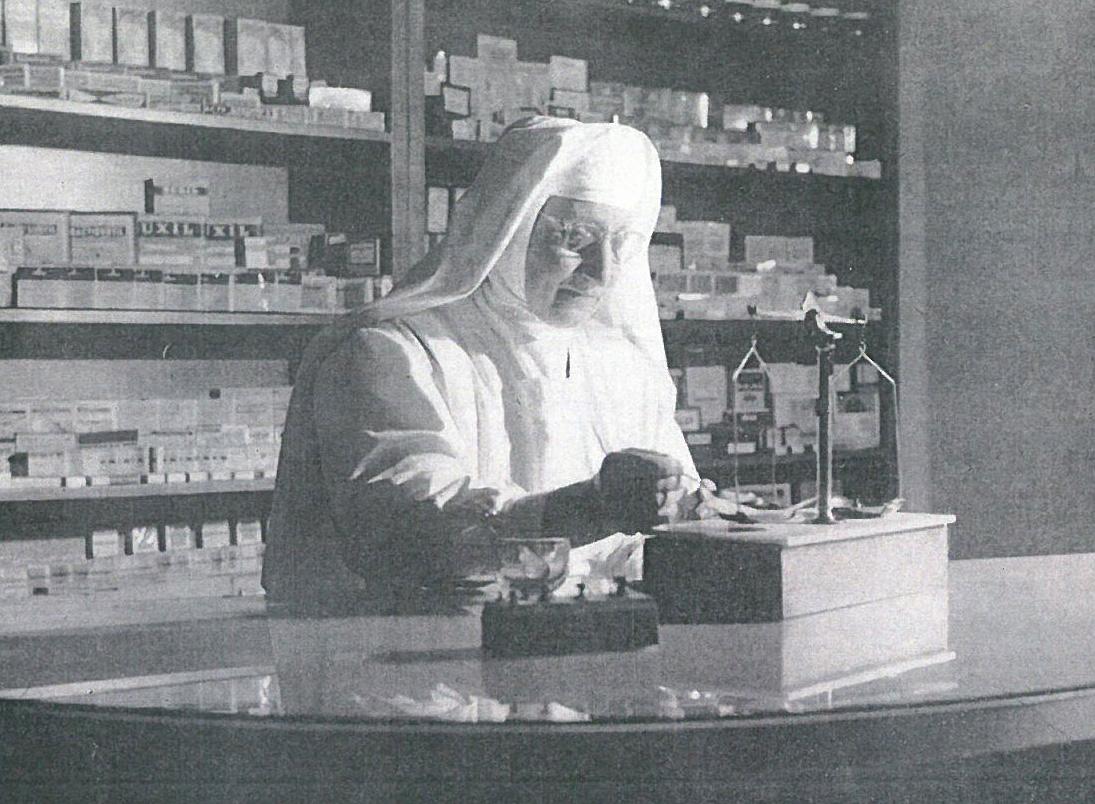
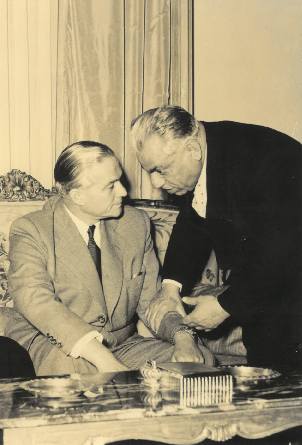
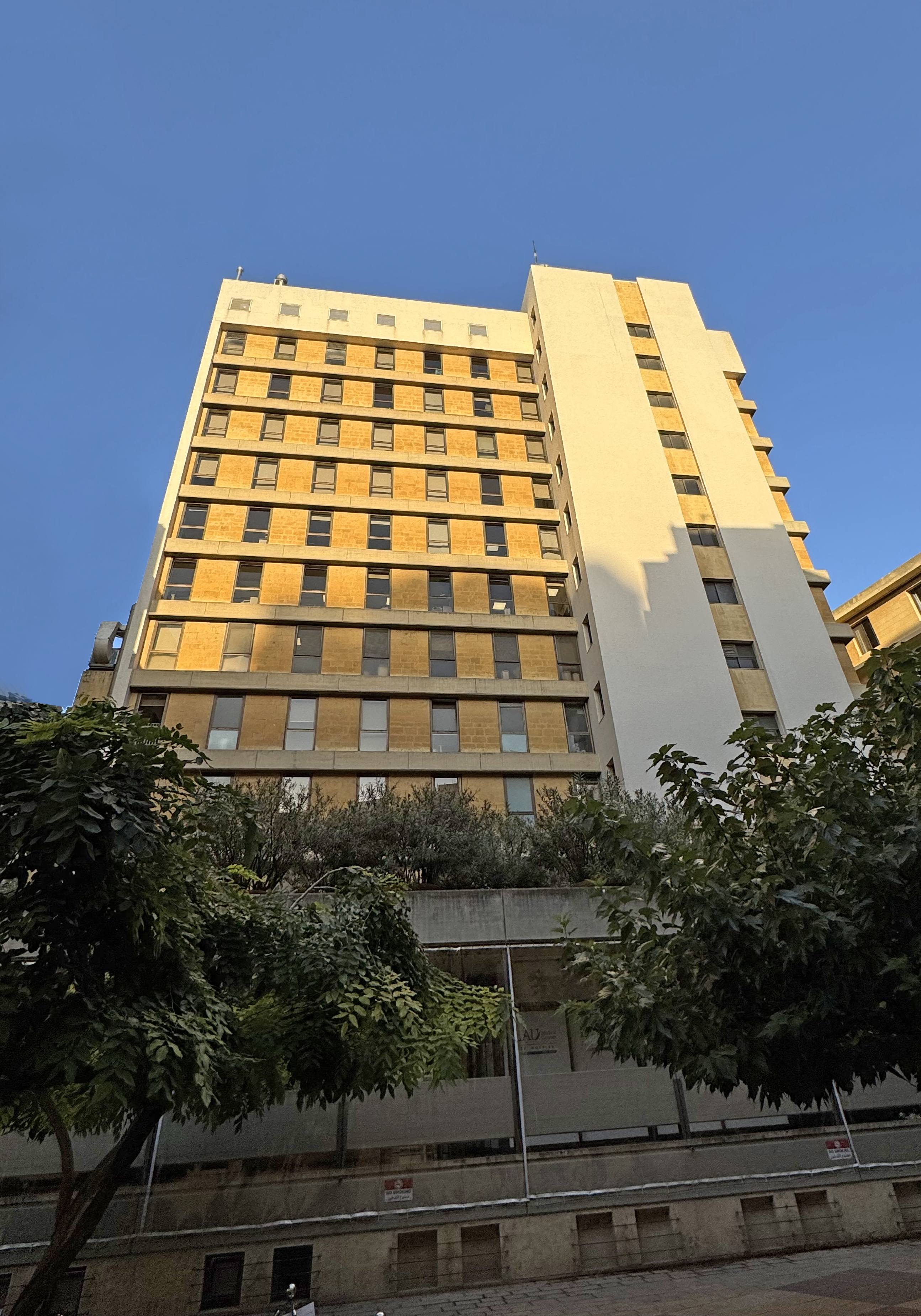
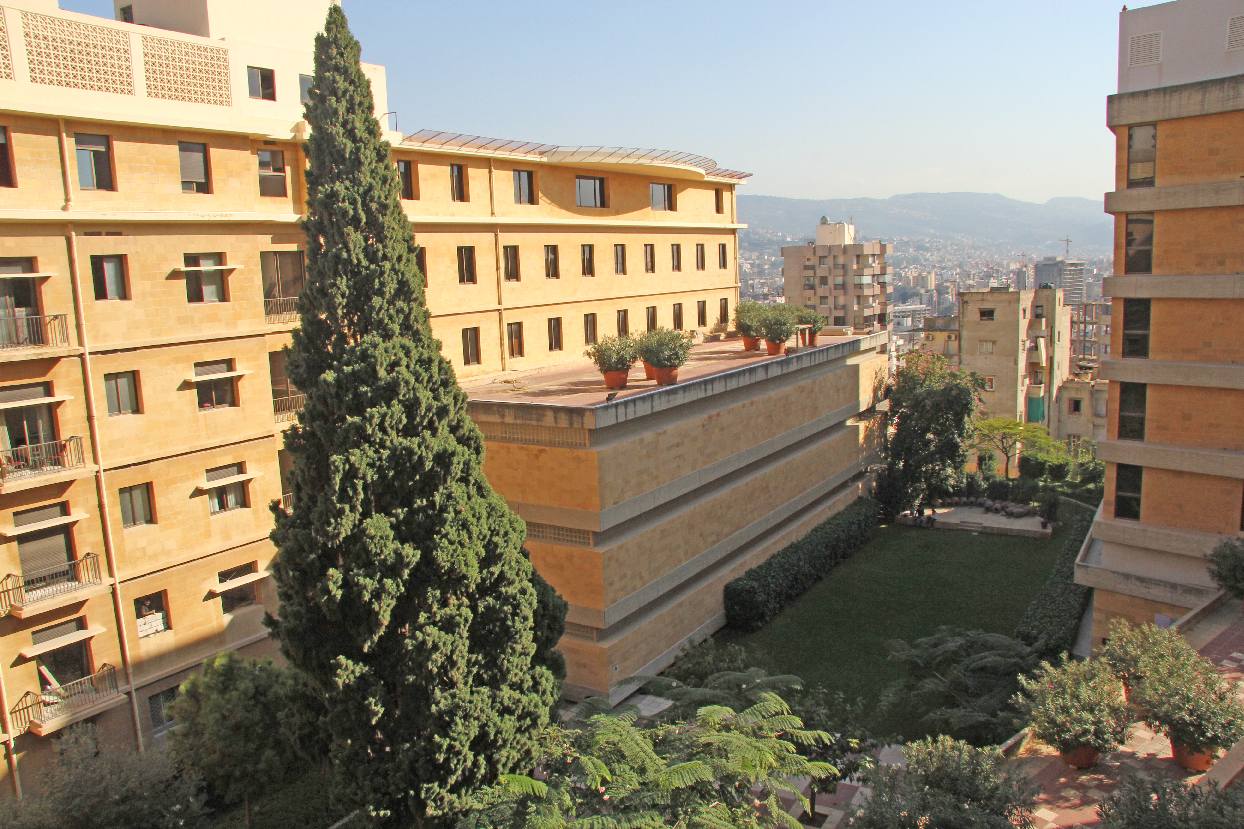
Dr. Rizk inaugurated the current hospital on a large plot in Achrafieh Hill, today known as Building A. President Camille Chamoun visited the facility which began its operations with the help of Italian nuns from the Franciscans of the Immaculate Heart of Mary, coming from Syria.

1960

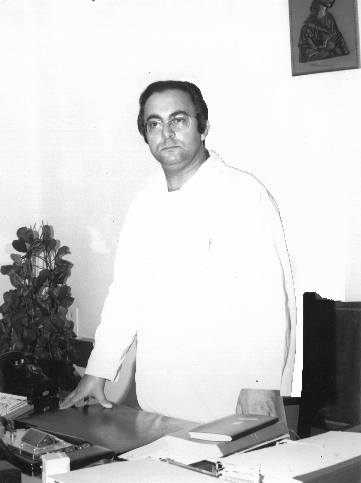
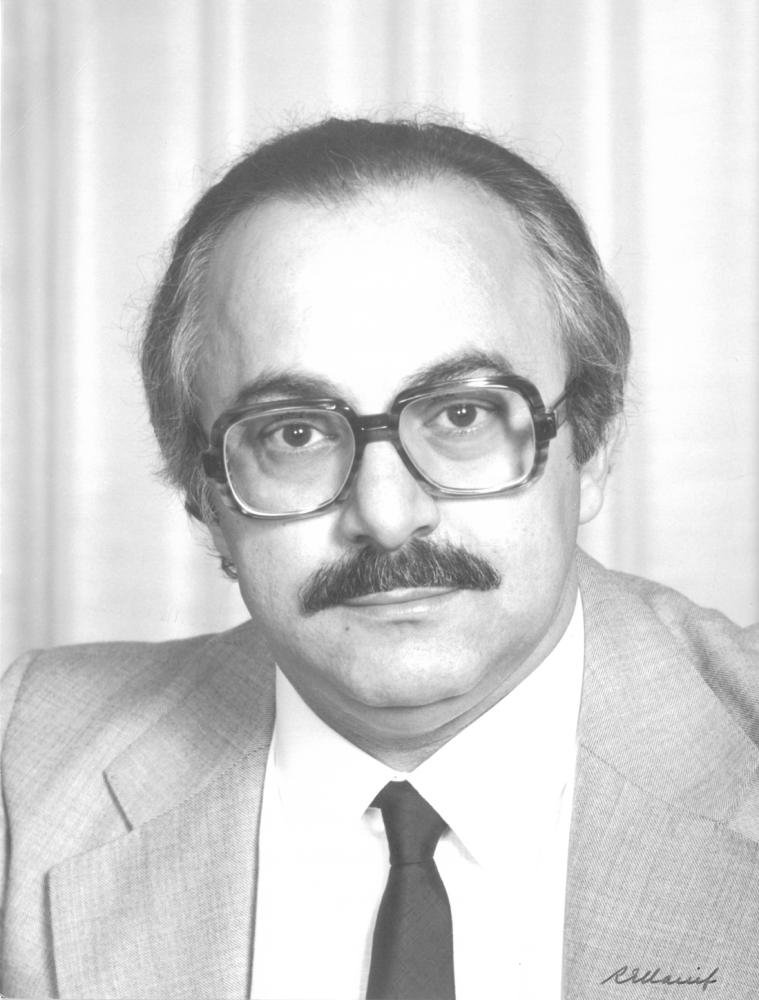
Dr. Assaad Rizk returned from Paris after completing his medical education and specialization. He joined his father, marking the start of the second-generation family leadership of the hospital.

1966

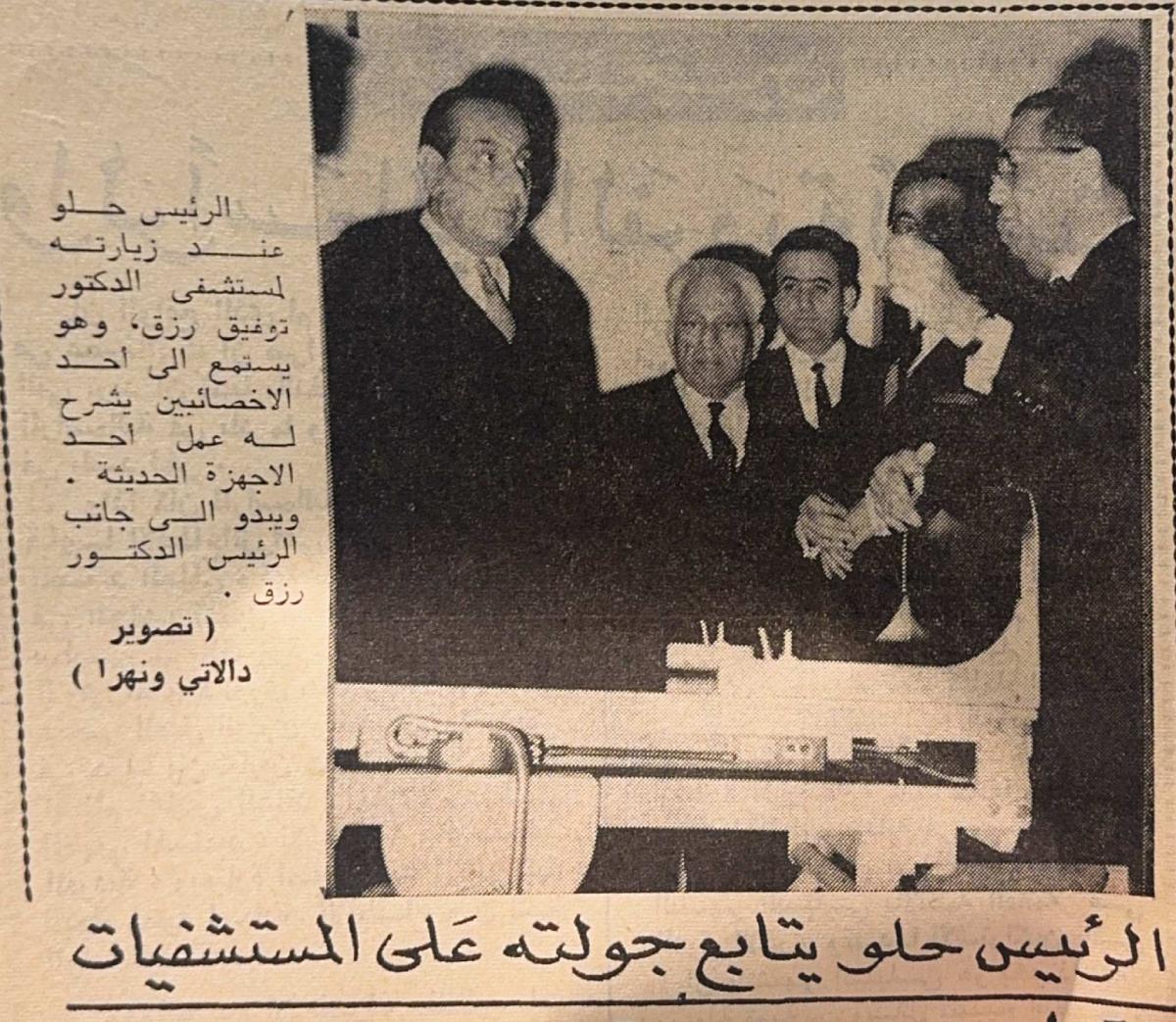
Dr. Toufic Rizk became a founding member and the first president of the Lebanese Syndicate of Hospitals, a position he held until 1973. That year also saw a visit from President Charles Helou to the hospital.

1967

Dr. Toufic Rizk officially appointed his eldest son, Dr. Assaad Rizk, as the hospital’s manager, ensuring continuity in leadership and vision.

1971

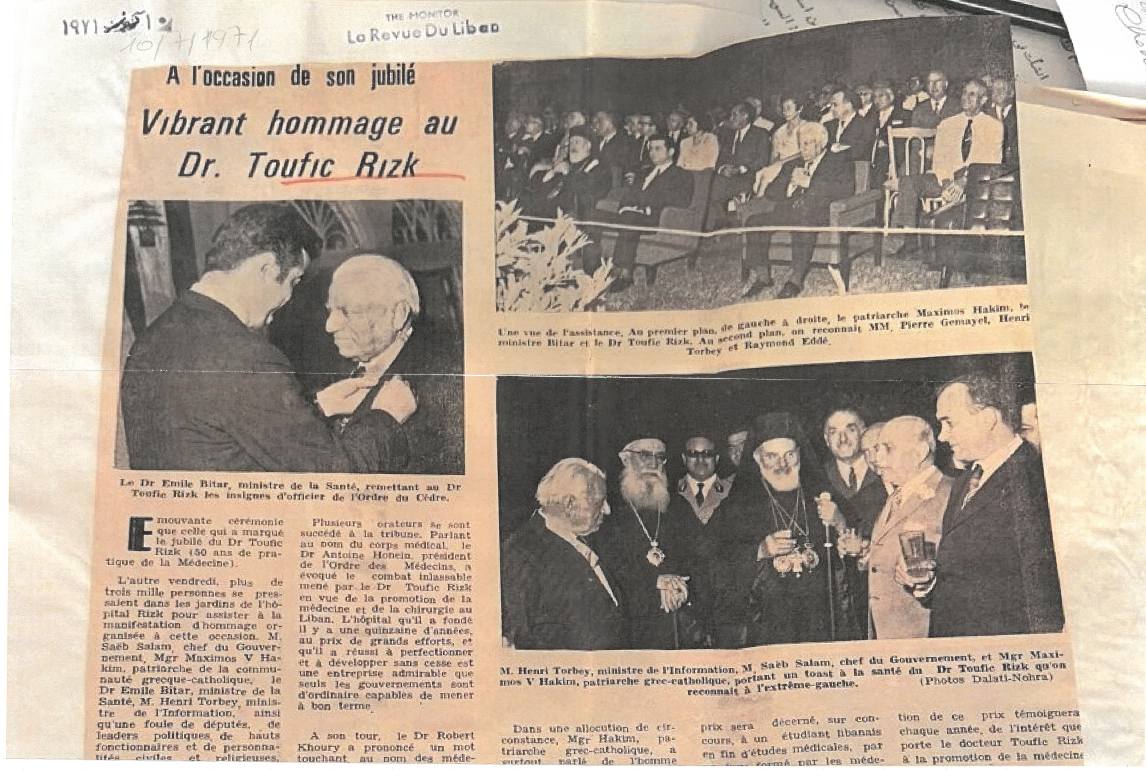
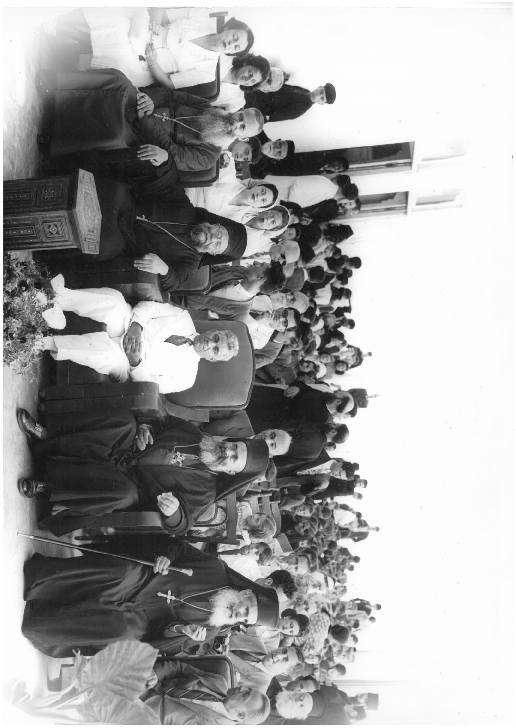
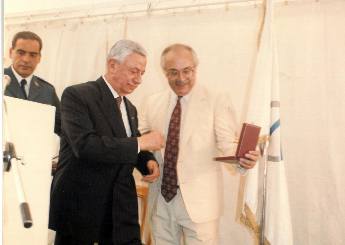
In the presence of the patriarch of the catholic church, Dr. Toufic Rizk received the medal of the Order of Saint Gregory the Great. Moreover, marking his 50 years of medical practice, Dr. Rizk celebrated his jubilee and the founding of Dr. Toufic Rizk Foundation. That same year, the hospital opened one of Lebanon’s First Hemodialysis Centers.

1973

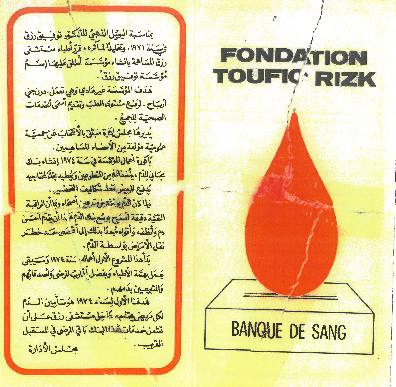
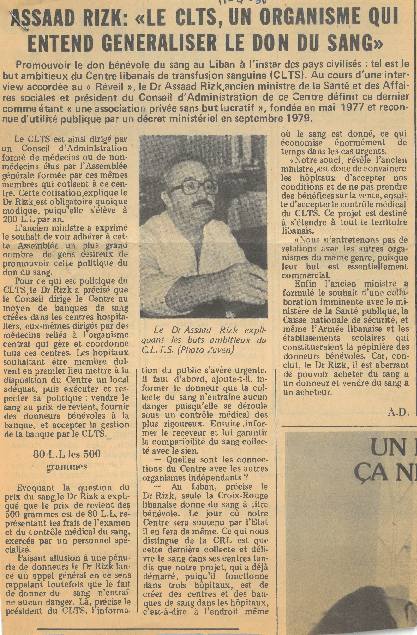
The newly established Dr. Toufic Rizk Foundation launched its first initiative: A nonprofit blood bank, addressing a critical national need.

1975

The Lebanese Civil War began, significantly impacting the health sector and creating new challenges for hospitals across the country, including Rizk Hospital which was geographically located close to the Green line.

1977

The foundation’s blood bank evolved into the “Centre Libanais de Transfusion Sanguine”, expanding its services in the midst of ongoing conflict.

1981

Despite the civil war, Dr. Assaad Rizk laid the foundation stone for Building B. During this time, he was the only individual who got injured at the hospital due to wartime circumstances, a testament to his unwavering dedication.

1983

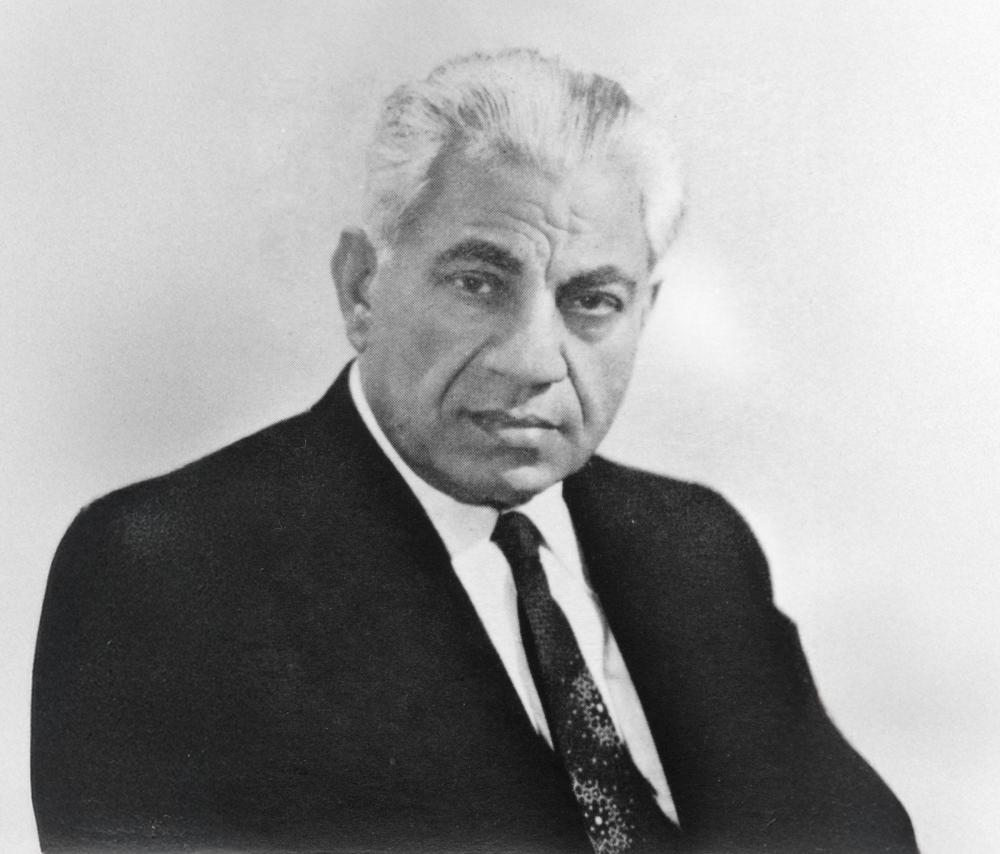
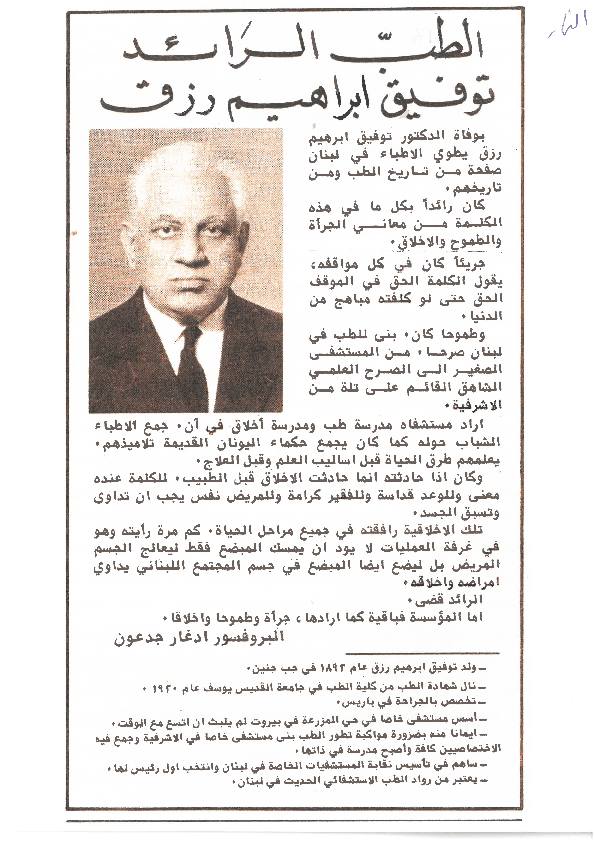
Dr. Toufic Rizk passed away, leaving behind a remarkable legacy of medical firsts, institution-building and philanthropy.

1985

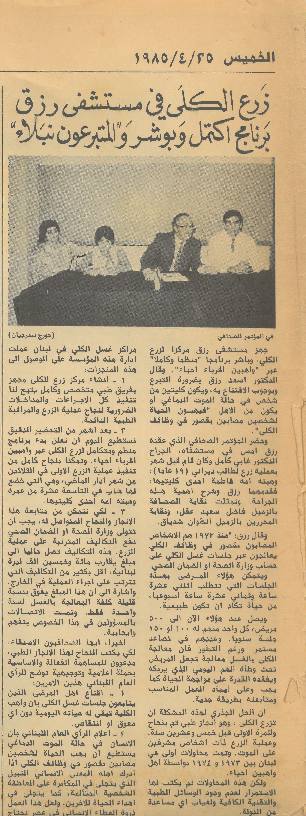
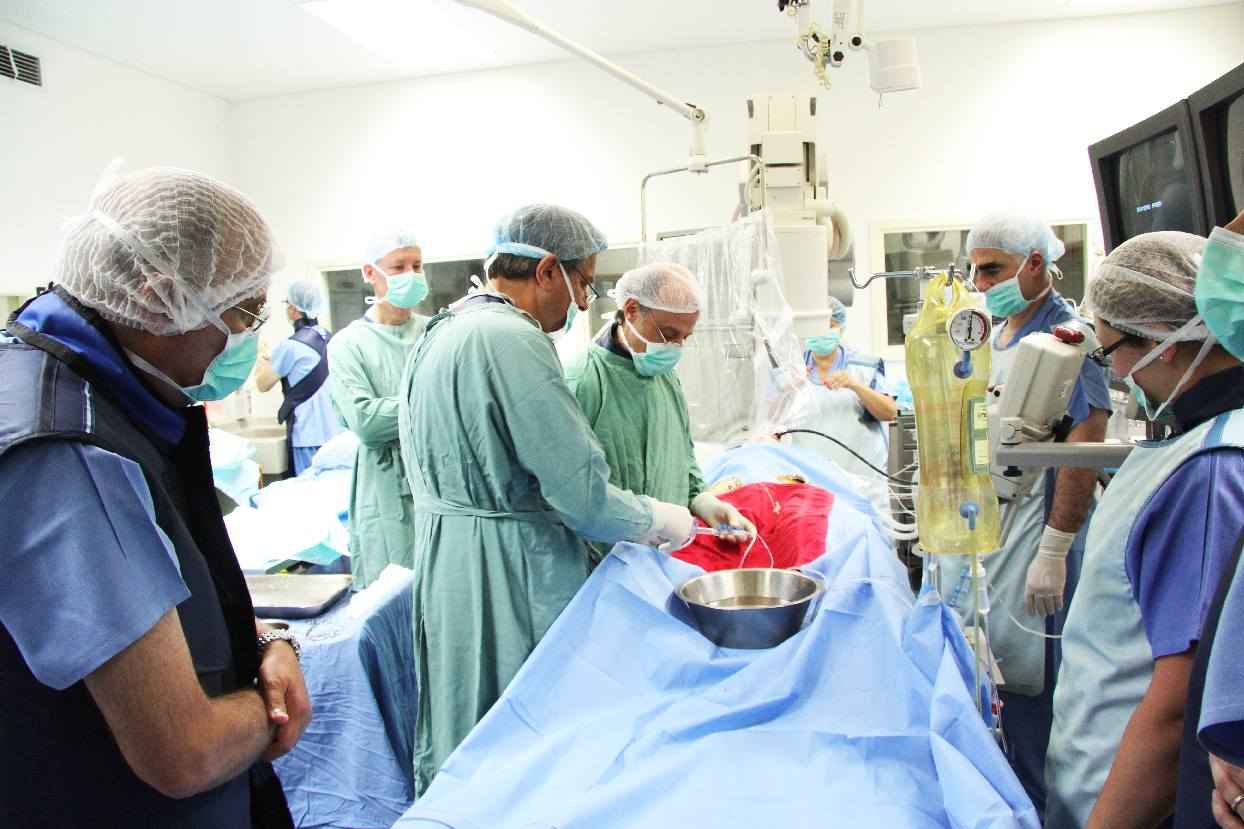
The hospital launched Lebanon’s First Kidney Transplant program, marking another medical milestone and enhancing its role as a national center of excellence.

1987

Building B was officially inaugurated, further expanding the hospital’s capacity and ability to serve patients during Lebanon’s recovery phase.

1990

The National Organ Donation Program was launched in collaboration with Mrs. Mona Hraoui, reflecting the hospital’s central role in pioneering advanced healthcare initiatives.

1991

Mr. Sami Rizk, son of Dr. Assaad Rizk, returned from the United States to join the hospital’s leadership, living up to the family’s multigenerational medical mission.

1992

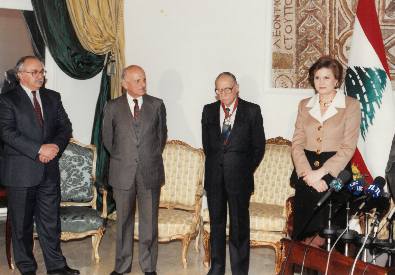
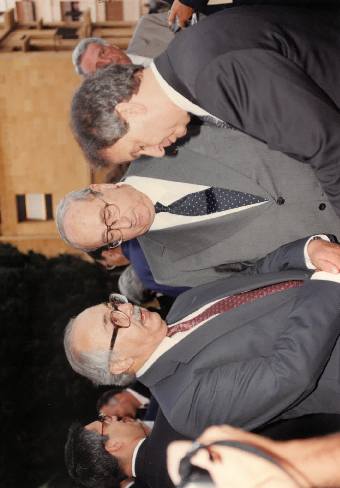
The centennial of Dr. Toufic Rizk’s birth was commemorated at a special event attended by President Elias Hraoui, honoring the founder’s national contributions.

1993

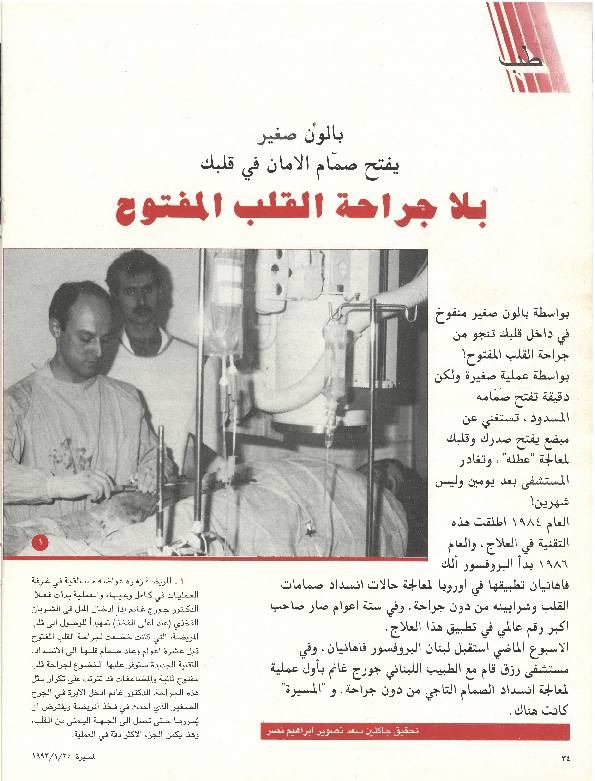
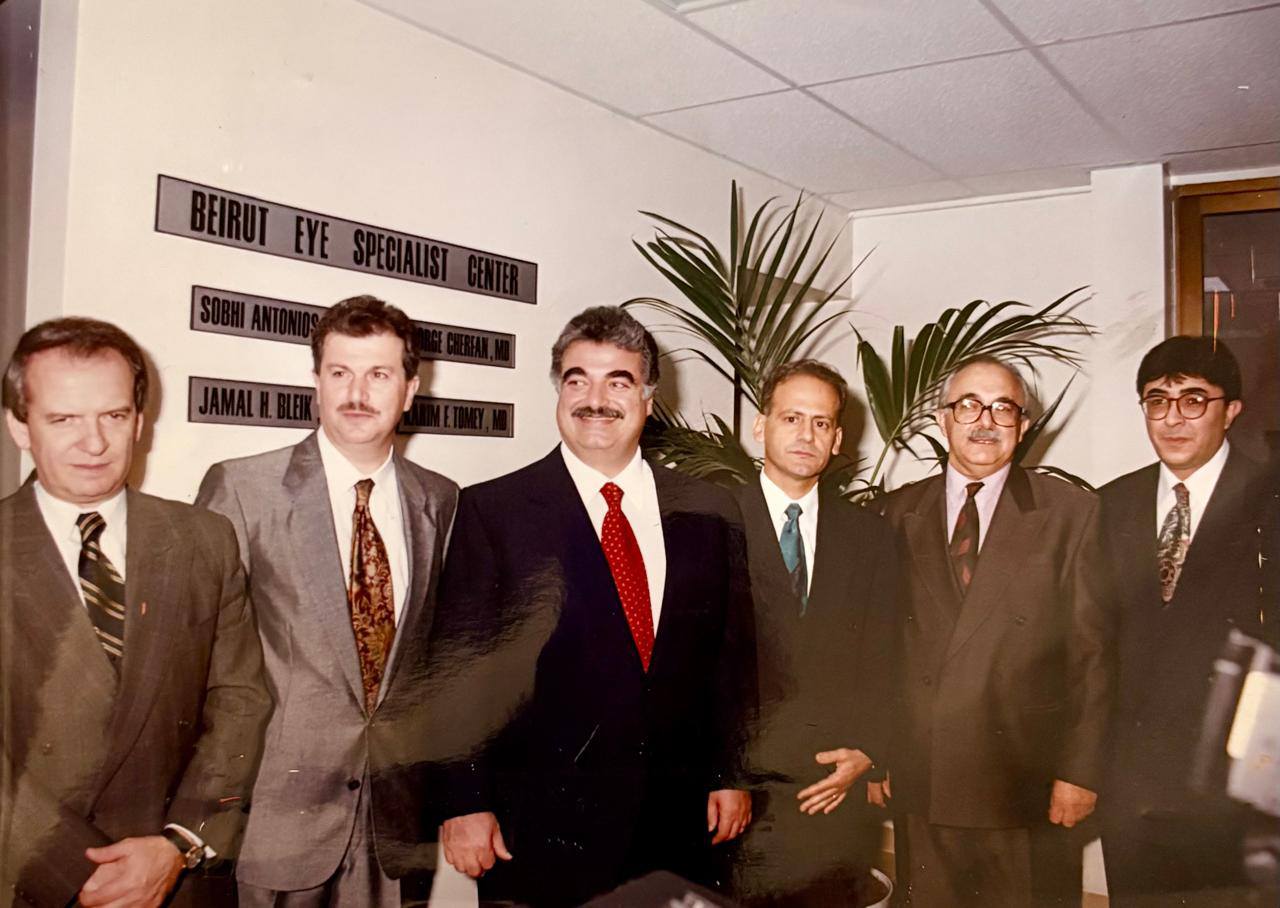
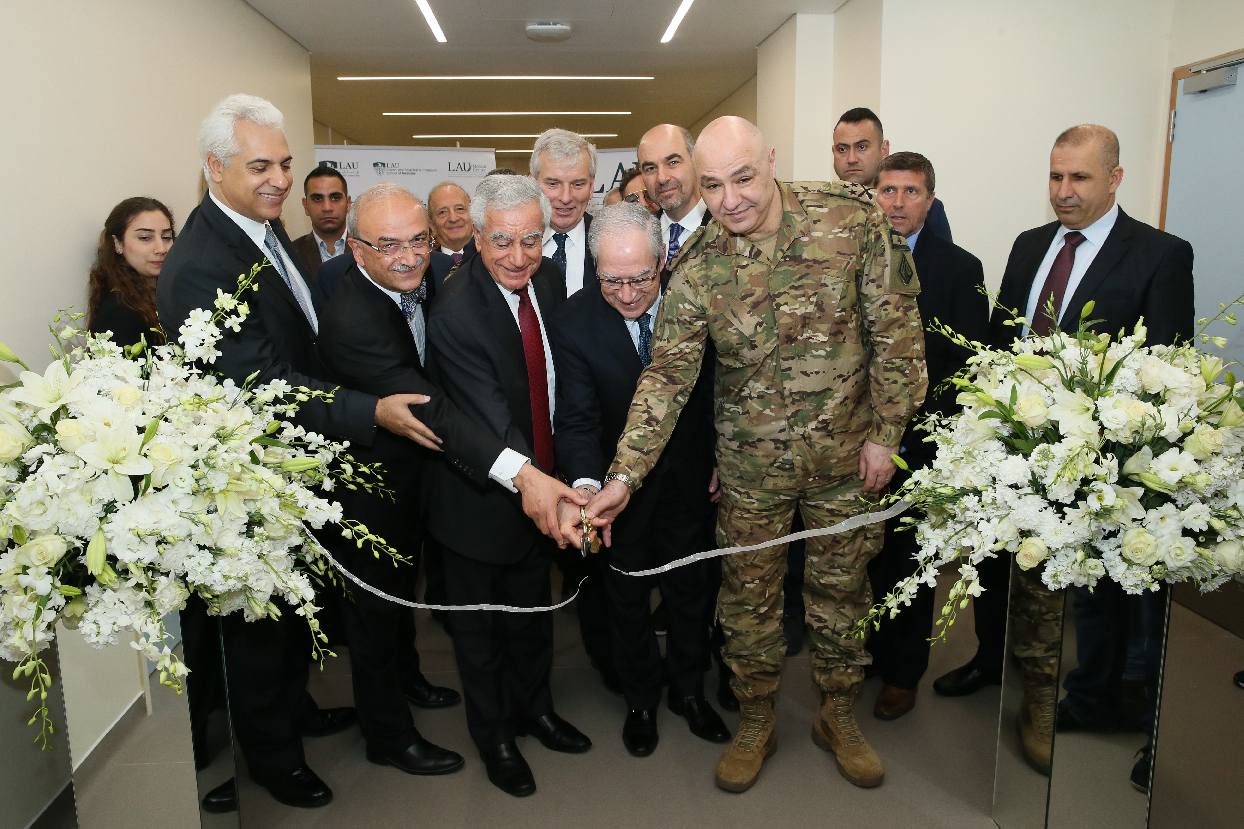
Several major developments occurred: Lebanon’s First Percutaneous Mitral Valve Dilatation was performed, and the Beirut Eye Specialist Center was inaugurated in the presence of Prime Minister Rafic Hariri. The Laparoscopic Surgery Training Center also opened its doors at an inauguration ceremony that was attended by Ministers Michel Edde and Marwan Hamade.

1994

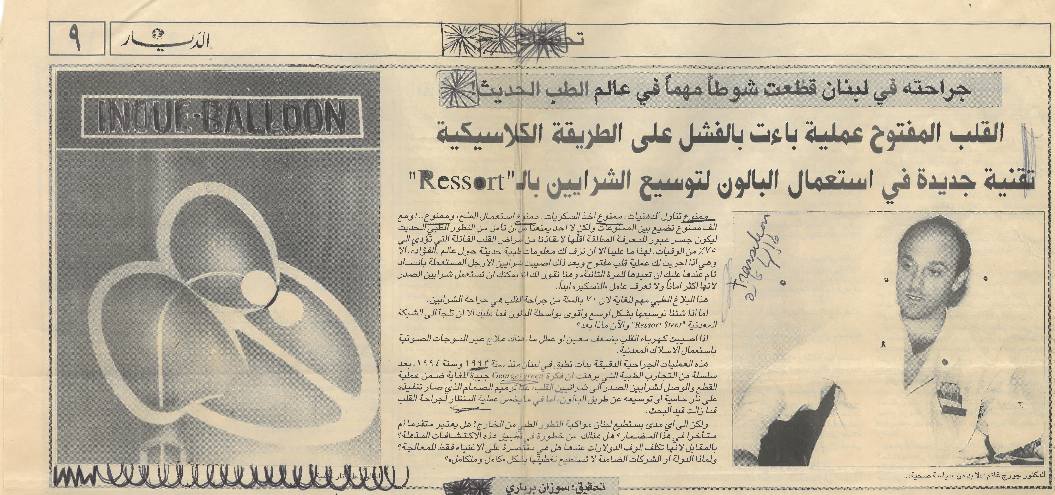
The hospital performed Lebanon’s First Coronary Stent procedure, continuing its track record of pioneering advanced cardiac care.

1997

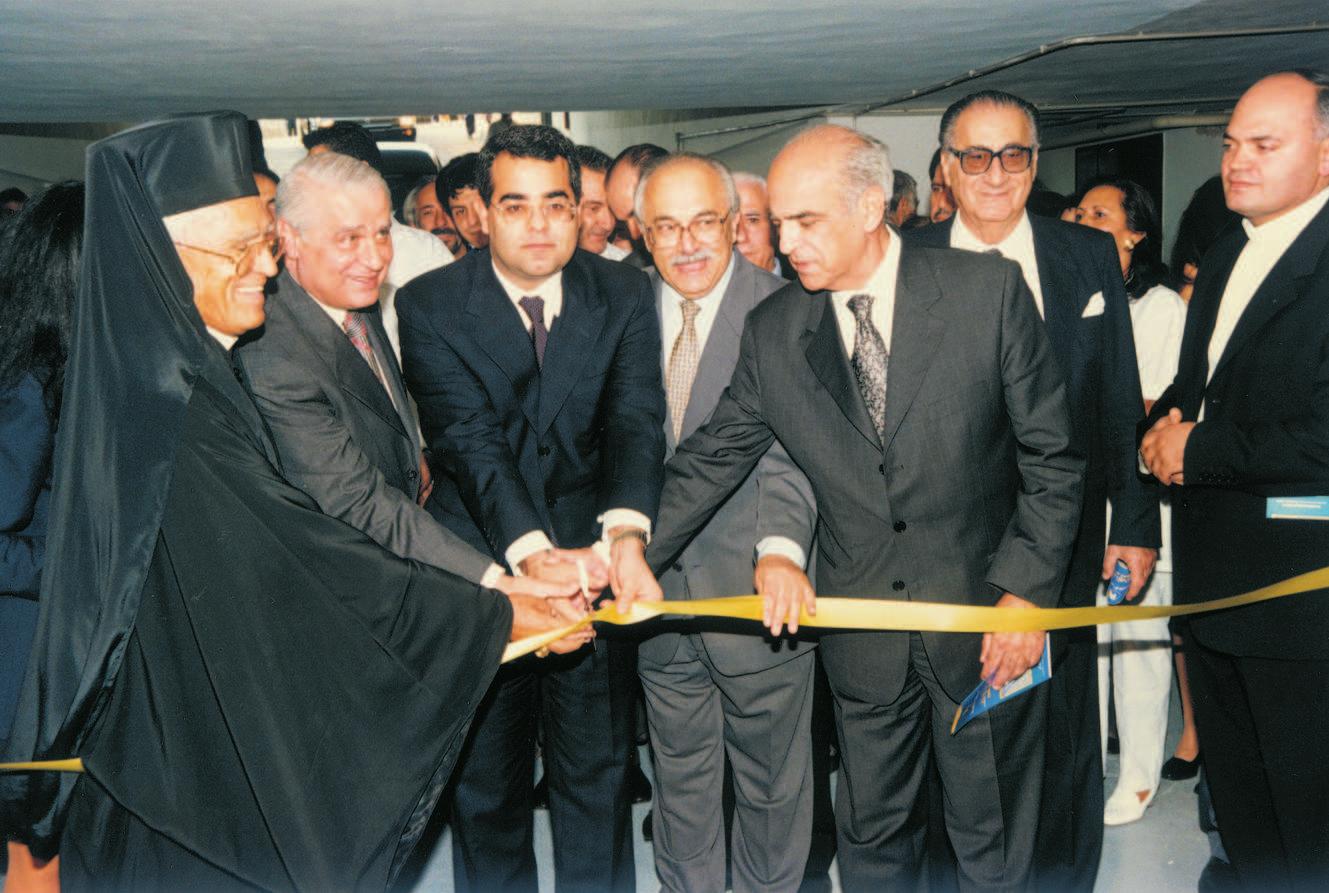
An underground parking facility was opened, improving access and convenience for patients and visitors in the presence of Mr. Nicolas Saba, the governor of Beirut.

1998

The hospital achieved three national firsts: Carotid Angioplasty and Stenting, Atrial Septal Defect closure in children and TIPS procedure in Invasive Radiology.

1999

One of Lebanon’s first cardiac transplants was successfully completed at the hospital. That same year, the first Percutaneous Closure of Interatrial Communication was also performed.

2002

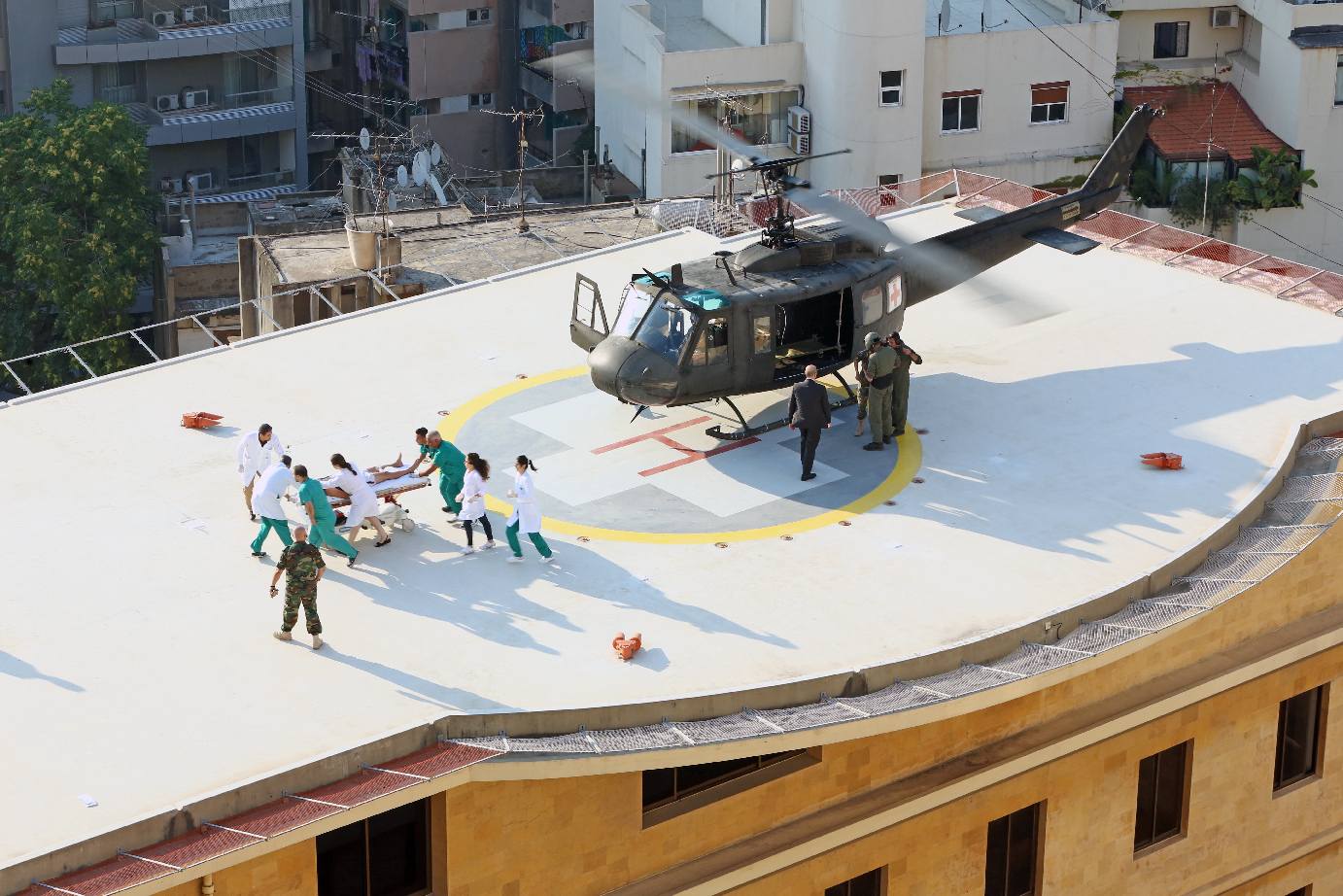
The hospital opened Lebanon’s first Helipad built on top of a building, enhancing emergency response capabilities. It also became the first medical center in the country to earn ISO 9001 Certification.

2003

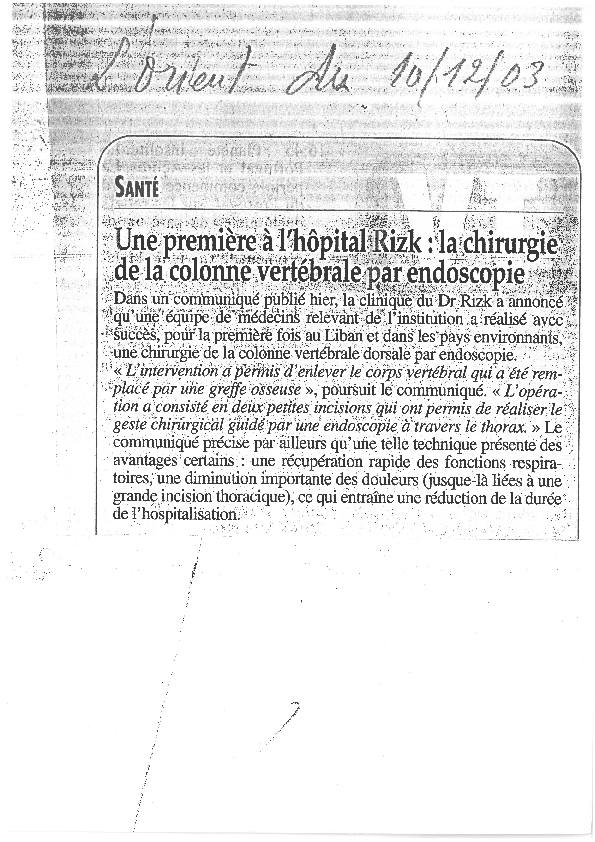
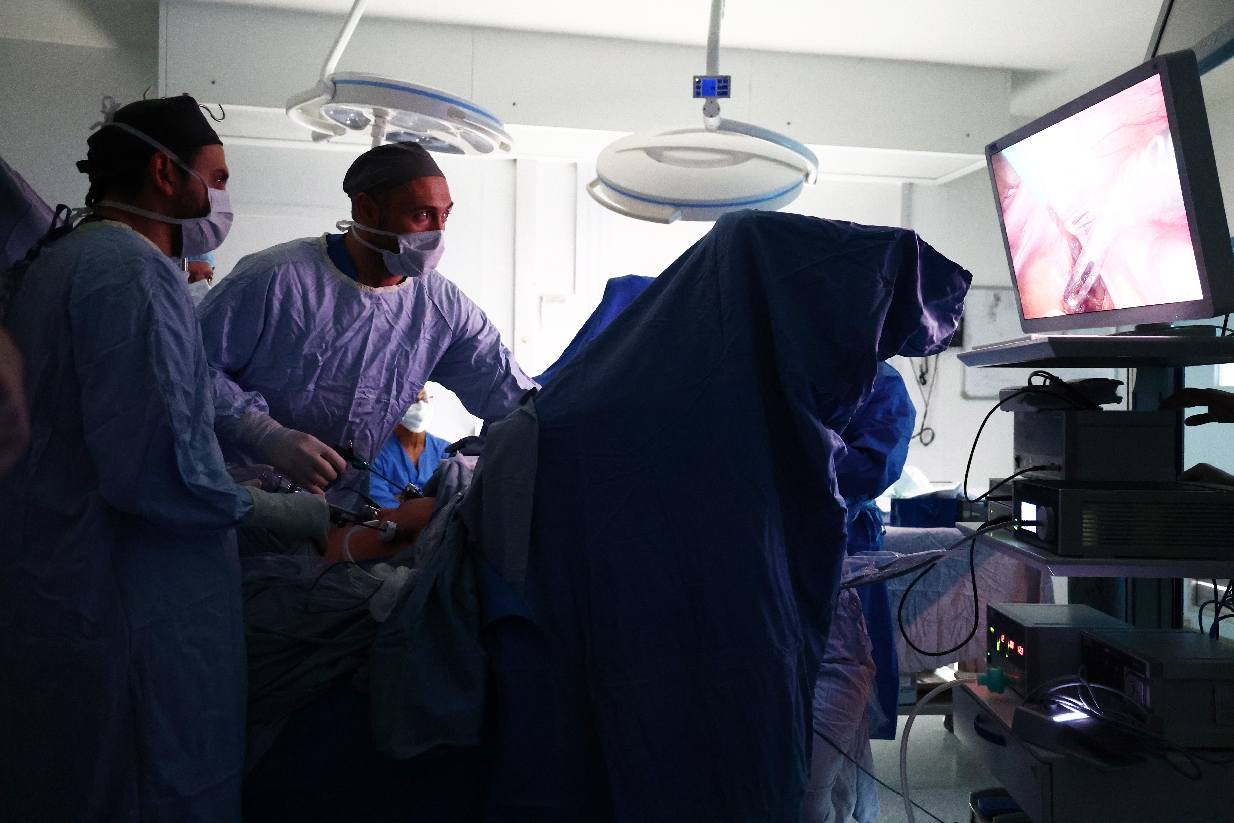
The hospital performed Lebanon’s first Endoscopic Spine surgery, expanding its expertise in minimally invasive techniques.

2004

Dr. Assaad Rizk purchased the shares of his brothers, Drs. Pierre and Paul Rizk, assuming full ownership of the hospital. Building C was also inaugurated that year.

2005

Building D was opened, and the hospital performed Lebanon’s first Total Vertebral Replacement via the thoracic approach.

2006

The hospital achieved another national first with the introduction of Minimally Invasive Hip Replacement surgery.

2007

During the Nahr-el-Bared conflict, Rizk Hospital collaborated with the Lebanese Army, receiving wounded soldiers for emergency treatment via helicopters.

2008

Building E was acquired, marking another strategic expansion in the hospital’s infrastructure.

2009

The Lebanese American University (LAU) acquired the hospital on June 30th, ensuring the continuation of its mission as a teaching and research institution dedicated to excellence. It was renamed the LAU Medical Center–Rizk Hospital.

2012

Lebanon’s first TAVI (Transcatheter Aortic Valve Implantation) procedure was performed at the hospital, further cementing its role in Interventional Cardiology.

2015

LAU Medical Center–Rizk Hospital hosted Lebanon’s first Mitra Clip procedure, offering a minimally invasive treatment option for mitral valve regurgitation and enhancing quality of life for patients who are unable to undergo surgery.

2016

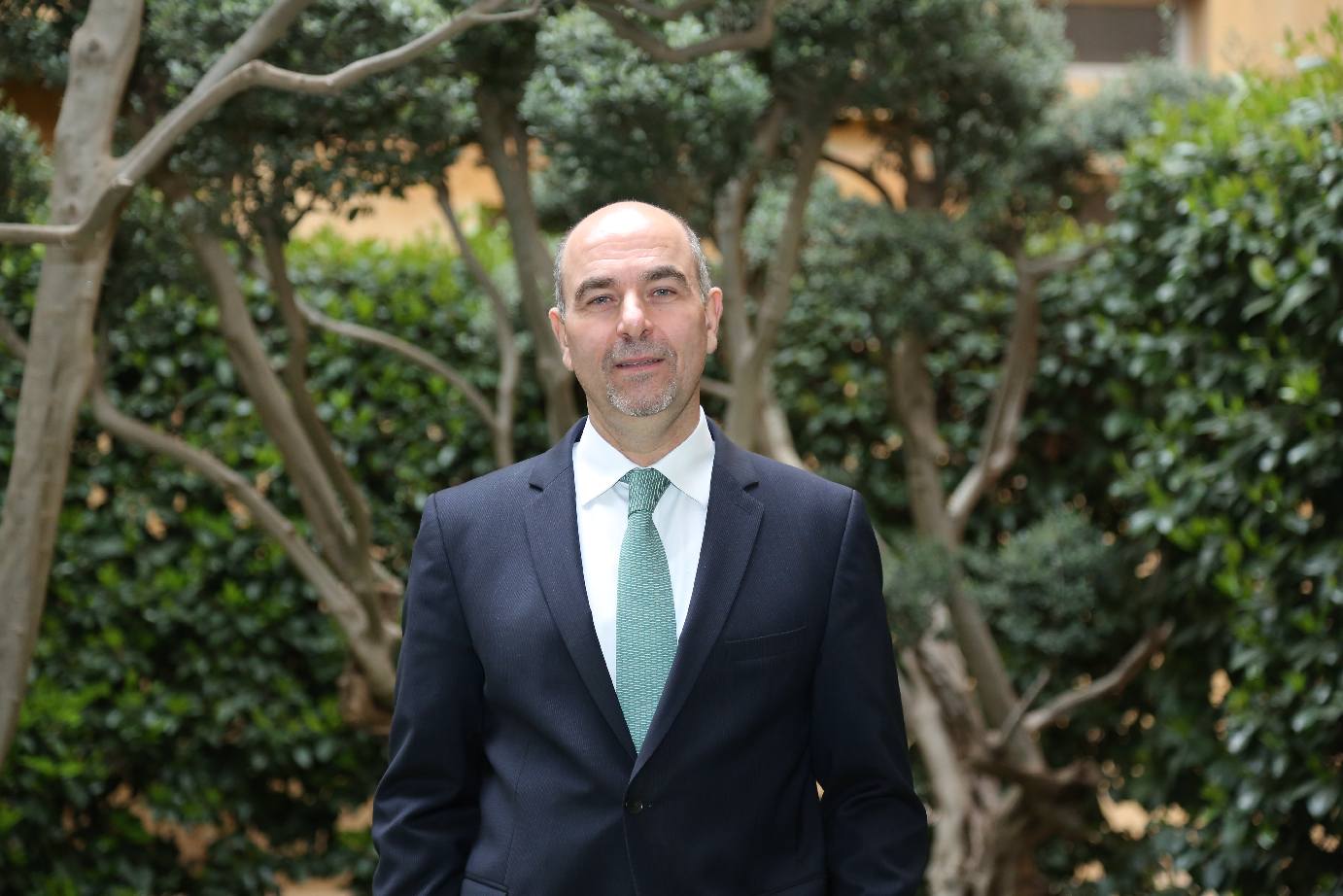
Mr. Sami Rizk was appointed CEO, marking the beginning of the third-generation of Rizk family leadership and ushering in a new era of strategic development.

2018

The hospital opened Lebanon’s first Comprehensive Stroke Center, specializing in rapid diagnosis and treatment for patients with cerebrovascular emergencies.

2020

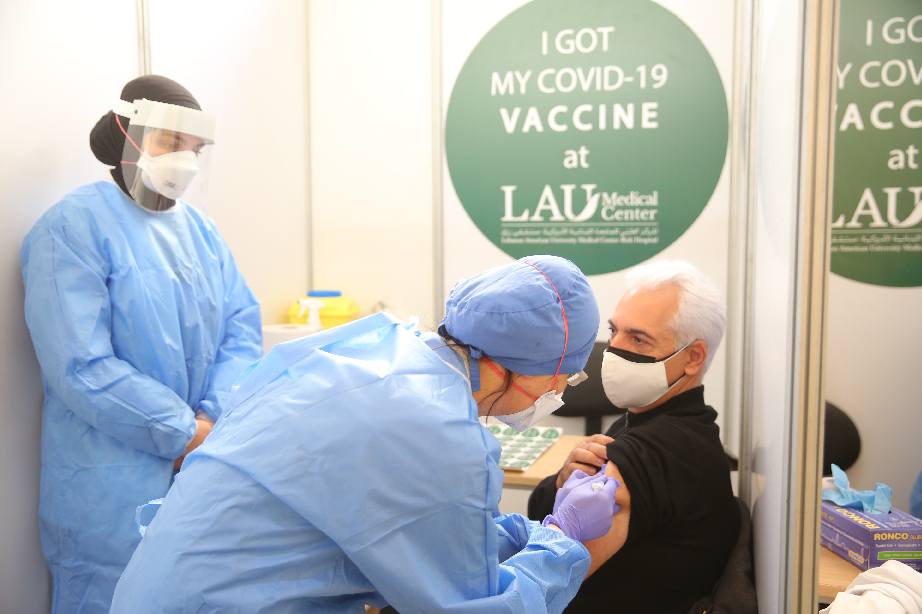
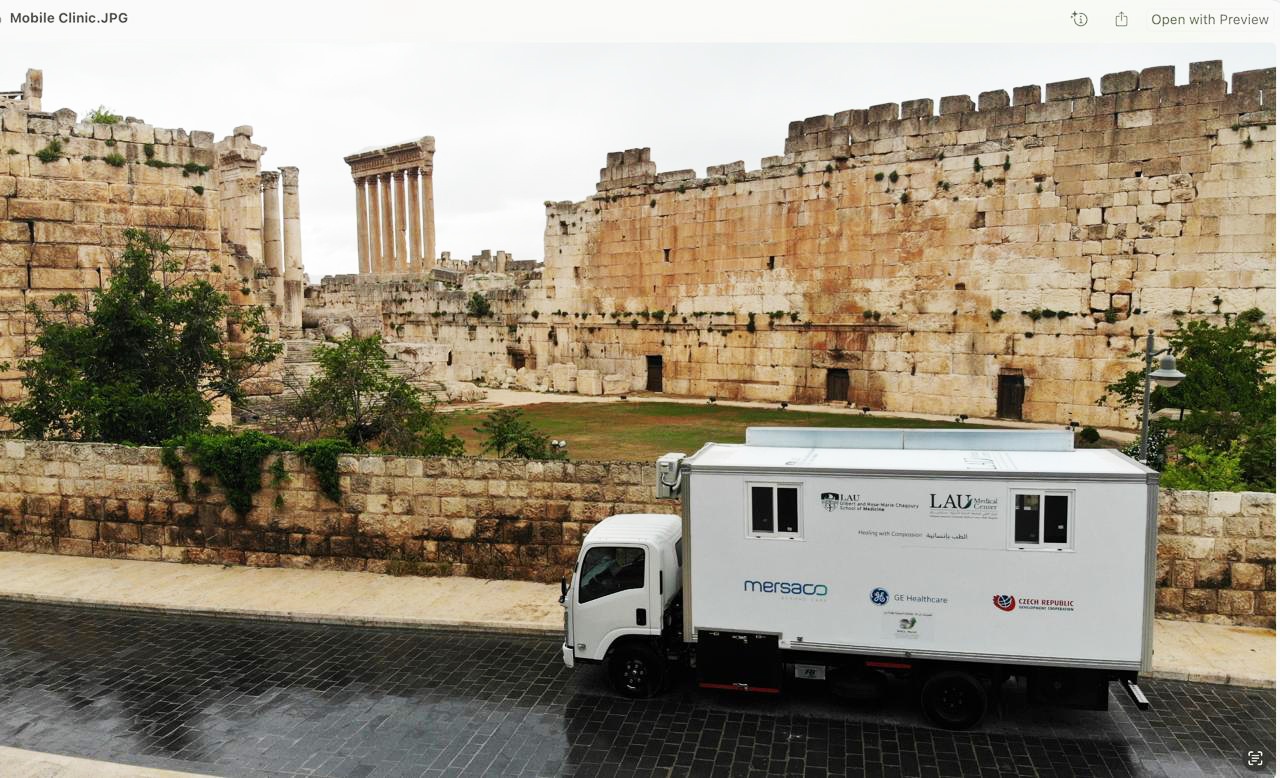
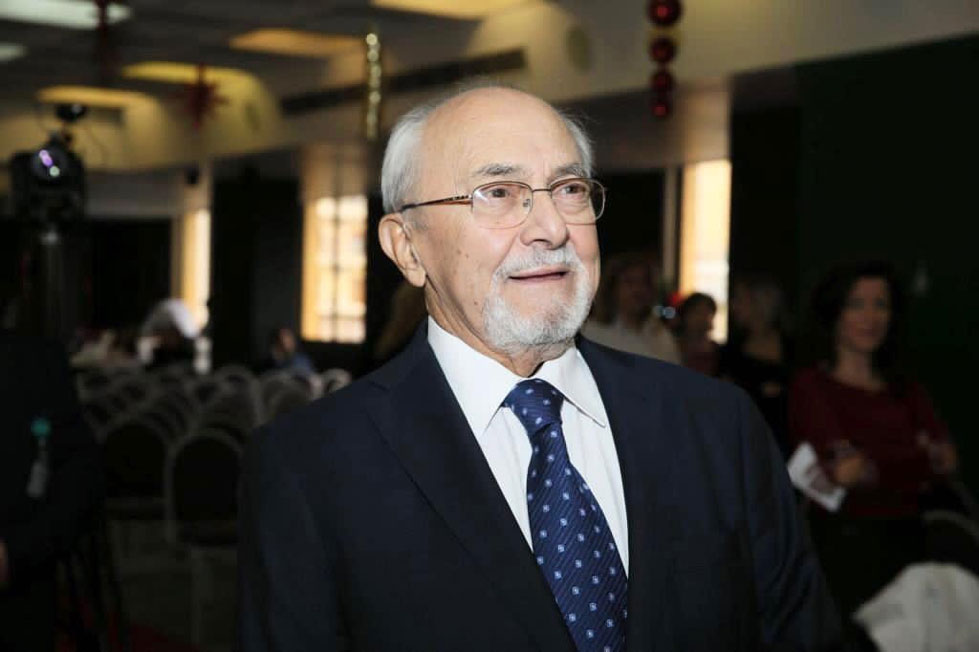
Amid the global COVID-19 pandemic and the tragic Beirut Port Blast on August 4, the hospital launched a Mobile Clinic to cater to underserved communities with PCR testing, health awareness, essential care and vaccines. On December 11, the hospital mourned the passing of Dr. Assaad Rizk.

2021

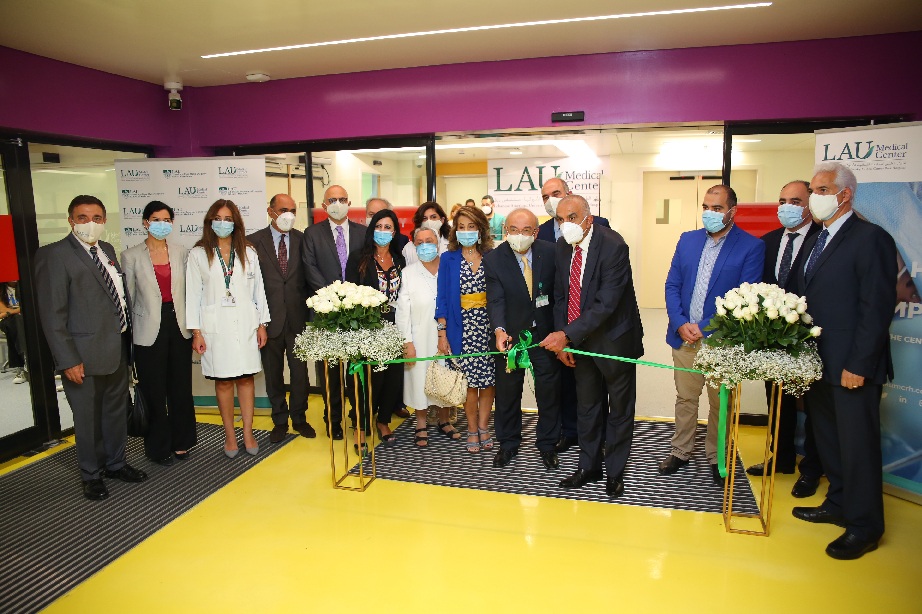
A revamped, state-of-the-art Emergency Room was inaugurated, equipped with advanced imaging and rapid-response capabilities, reinforcing the hospital’s emergency preparedness.

2022

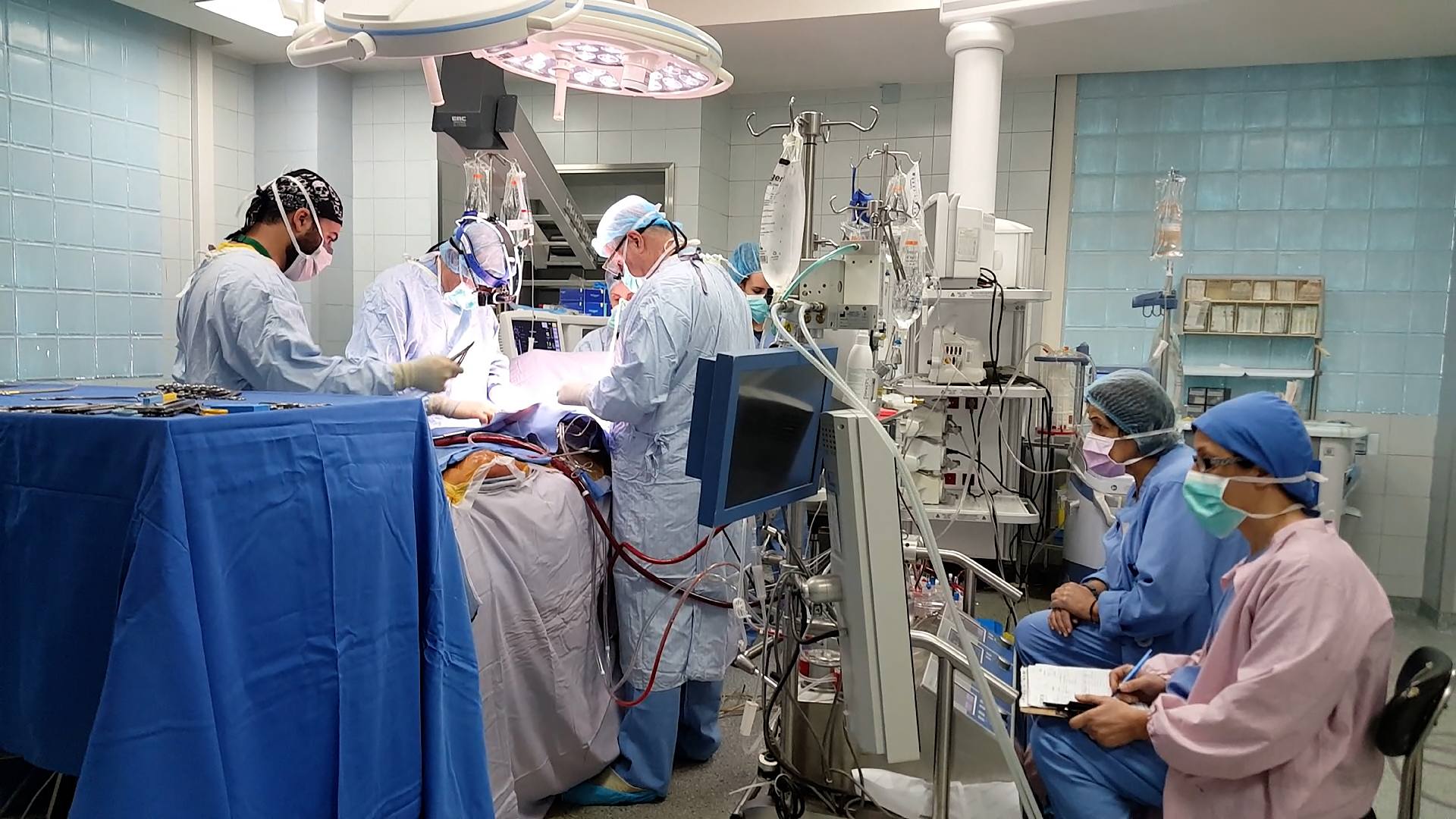
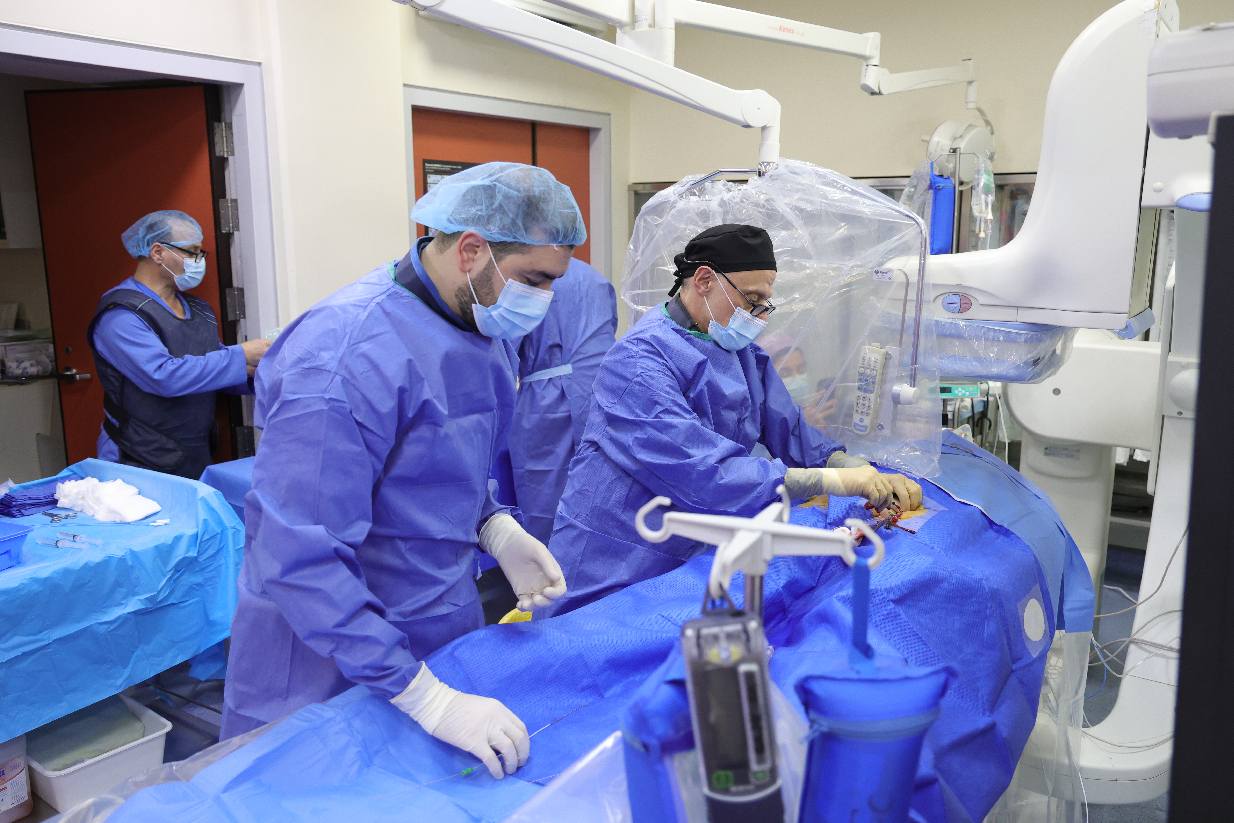
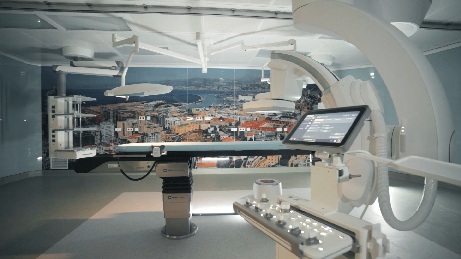
Lebanon’s first Hybrid Operating Room was opened at the LAU Medical Center–Rizk Hospital, combining surgical and imaging technologies in a single space to enhance precision and patient outcomes.

2025

In its centennial year, the hospital launched the Executive Health Prevention Program (EHPP), focusing on proactive wellness and early detection.