

When “Nothing” Becomes Something
It started like any other day.
A slight headache.
Nothing unusual. Nothing alarming.
The kind you brush off with a cup of coffee or a long to-do list.
So, you move on.
Because life doesn’t pause for small discomforts.
Because responsibilities don’t wait.
Because we’ve all learned to normalize what we feel.
But sometimes, what feels small isn’t always simple.
Why We Overlook Early Symptoms
At LAU Medical Center-Rizk Hospital, many patients share a similar reflection:
“I didn’t think it was anything serious.”
“I thought it was just stress.”
“I got used to it.”
Neurological conditions, including brain tumors, don’t always begin with clear or sudden warning signs. Instead, they can develop gradually, allowing the brain to adapt over time.
Because of this, symptoms are often dismissed as part of daily life: fatigue, stress, or lack of sleep rather than investigated.
Subtle Symptoms That Deserve Attention
Early signs are often easy to overlook, not because they are rare, but because they feel familiar.
These may include:
- Headaches that change in pattern, frequency, or intensity
- Headaches that feel more noticeable in the morning
- Persistent fatigue that doesn’t improve with rest
- Difficulty concentrating or remembering simple things
- Subtle vision changes, such as blurriness or double vision
- Changes in mood, behavior, or emotional balance
- Difficulty finding words or expressing thoughts clearly
On their own, these symptoms may not seem concerning.
But when they persist, evolve, or begin to combine, they should not be ignored.
When Everyday Explanations Aren’t Enough
It’s natural to attribute symptoms to stress, busy schedules, or lifestyle habits. And often, those explanations are valid.
But sometimes, they can delay something more important: understanding what your body is trying to tell you.
The goal is not to assume the worst.
It’s to recognize when something is no longer temporary.
When a symptom lingers.
When it changes.
When it starts affecting how you live your day.
That’s when it deserves a closer look.
Why Early Evaluation Matters
Conditions like brain tumors vary widely in how they develop and progress. Early detection can play a critical role in expanding treatment options and improving outcomes.
One of the main challenges is timing.
Because symptoms can be mild or intermittent, it’s easy to delay seeking medical advice.
But early evaluation allows for clarity, before the body fully adapts to underlying changes.
And sometimes, reassurance is just as important as diagnosis.
How LAU Medical Center-Rizk Hospital Can Help
Our Neurosciences team provides comprehensive care for patients experiencing neurological symptoms, whether they are recent, persistent, or difficult to explain.
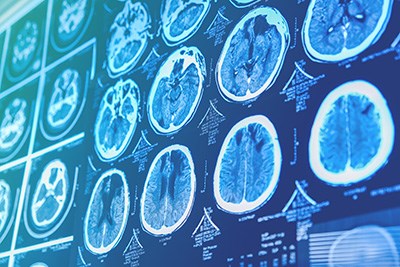
Through advanced brain imaging, specialized consultations, and a multidisciplinary approach, each case is carefully assessed with both clinical precision and patient-centered care.
Because behind every symptom, there’s a story worth understanding.
Listen to What Feels Different
A headache is often just a headache.
But if something feels different, lasts longer, or quietly becomes part of your daily life, don’t just adapt to it.
Pay attention to it.
Listening early, asking questions, and seeking medical guidance can make a meaningful difference, whether it leads to reassurance or early intervention.
And sometimes, that small step is what changes everything.